
For the girls.
For the women.
And for a world that has listened quietly for long enough.
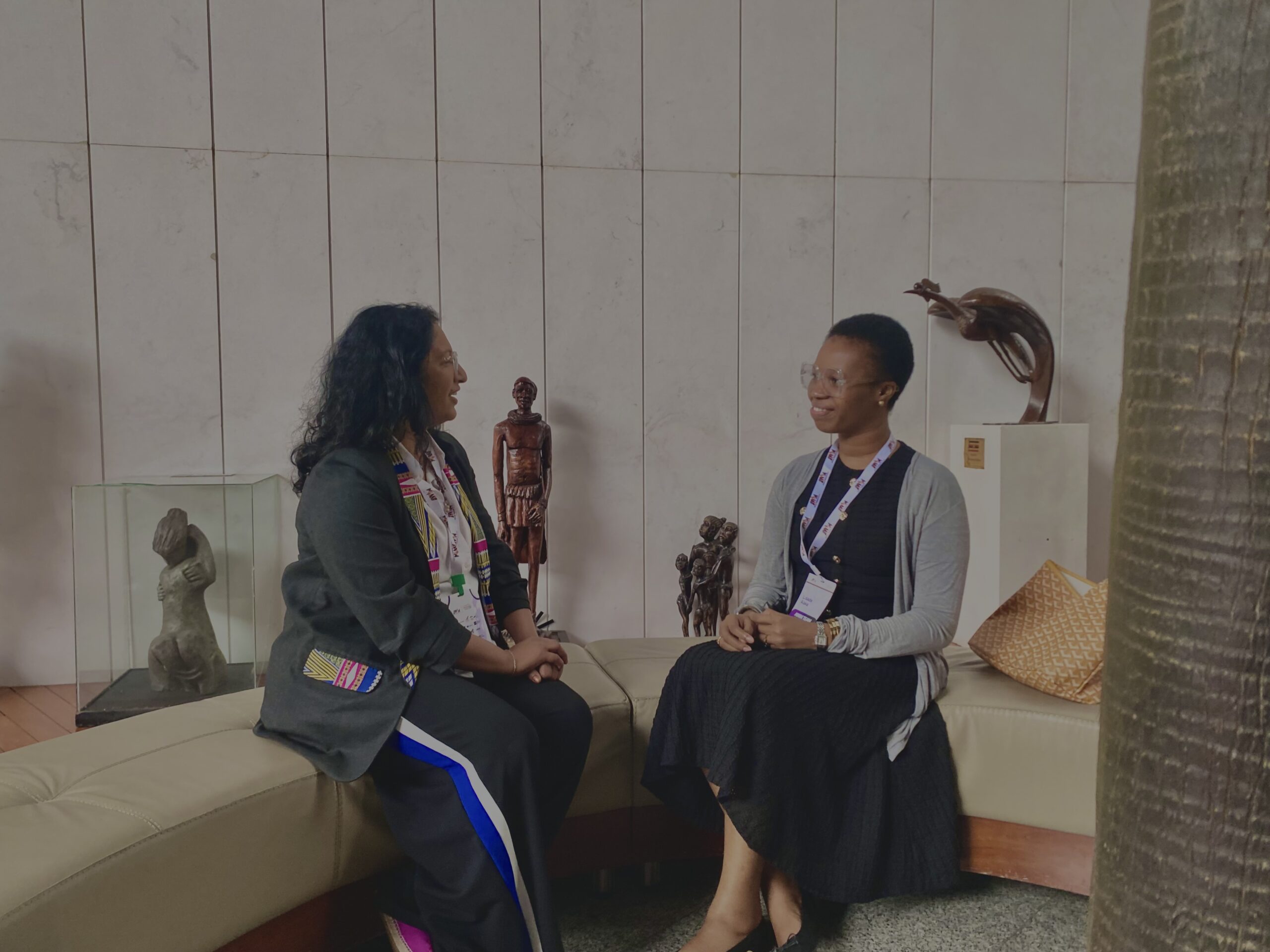
The first thing you notice about Lindiwé is her energy and laughter. It arrives easily, unapologetically, filling the space before she even begins to speak about the work that has shaped her life. We meet for the first time at the conference, a simple exchange that quickly turns familiar, names mispronounced, childhood television memories, and a brief detour into Nollywood nostalgia. It is light, playful, human. And then, almost seamlessly, it deepens.
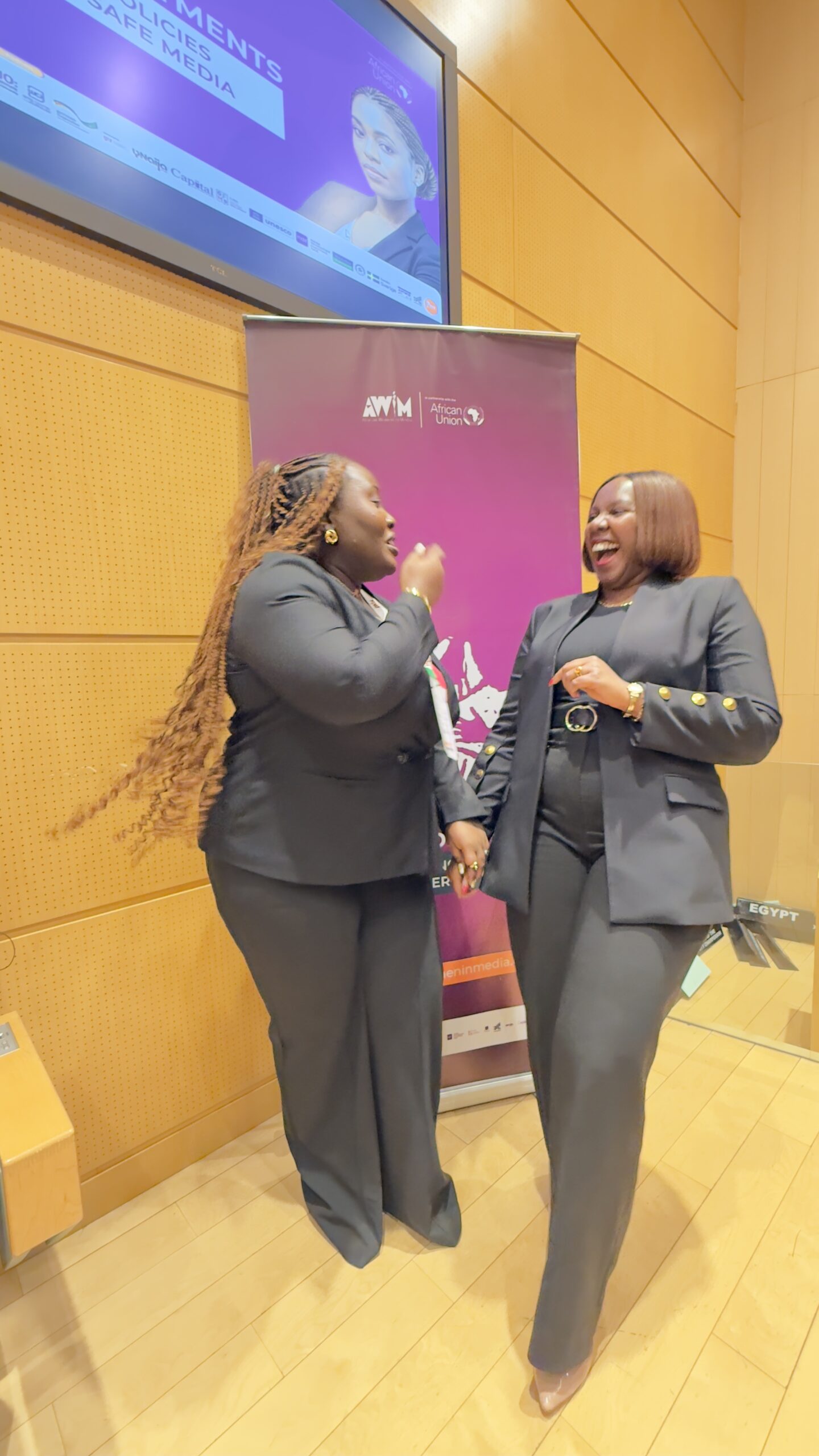
“I’m tempted to give you the title I use at work,” she says, pausing. “But it doesn’t really describe me.”
Officially, Lindiwé is a Programme Specialist working on ending violence against women and girls. Unofficially, and far more truthfully, she describes herself as “a girl who is in love with women and girls,” someone who still believes, fiercely, that gender equality is possible. And not someday.
“I think the time is now,” she says. “We’ve negotiated. We’ve dialogued. We’ve workshopped. Now it’s time to make noise.”
That word ‘noise’ threads itself through our conversation. It is not accidental. Lindiwé wears it as both a badge and a strategy. When she calls herself “a noisemaker for the girls,” it is not performance. It is her everyday, personal mantra. She’s a girl’s girl who would speak up for women and girls anywhere, everywhere.
Early in her career, that noise was not welcomed. “My first appraisal,” she recalls, “they told me if the building burns, I’m the last person they would trust. Because I’d either be laughing or making noise somewhere.”
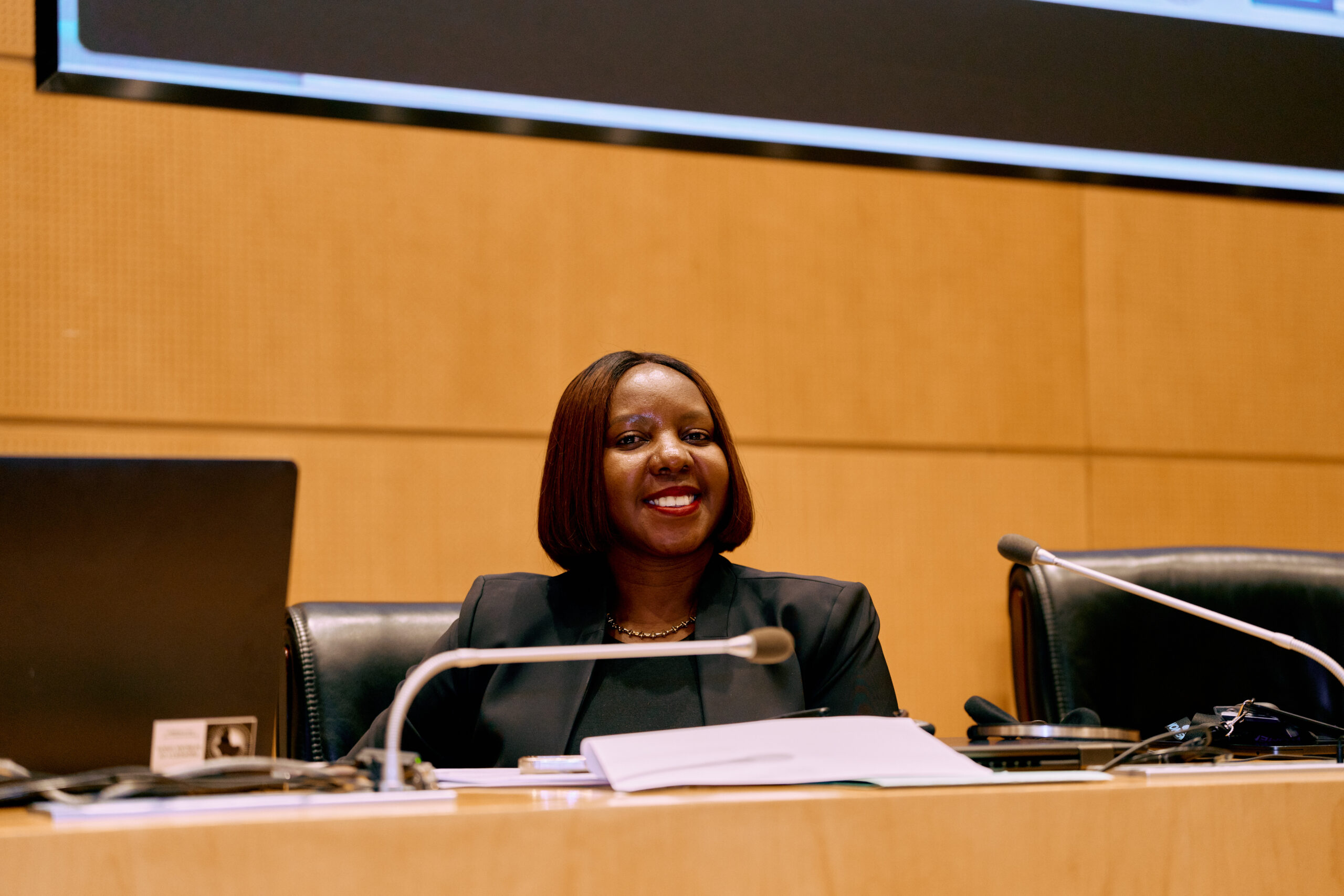
It was meant as a reprimand. It became a reckoning.
She responded by writing an op-ed, not to management, but to God. “I said, ‘If you wanted me to be quiet, you wouldn’t have given me this voice. You wouldn’t have given me these decibels.’”
Her conclusion was resolute and straightforward: her noise has a purpose. And if a space cannot hold it, then it is the wrong space.
That clarity did not push her out of the work; it rooted her more deeply in it. She is still in the same field, still advocating, still challenging systems. The difference now is acceptance, but acceptance that did not come from institutions, but from herself.
“This is who I will ever be,” she says. “So it’s either you take me, or you leave me.”
Lindiwé’s feminism is not abstract or without grounding. It is lived. When asked whether she has faced gender inequality directly, she does not hesitate. Her most recent experience, she shares, came with divorce.
“Everyone expects you to be sad. Broken. Unhappy,” she says. “But for me, coming out was freedom.”
She does not dramatise it. The marriage, she explains, was not traumatic; it was simply not for her. What followed, however, revealed how deeply gendered expectations are woven into everyday life, even in spaces meant to offer refuge.
At church, the front rows were reserved for couples. Even-numbered seats. A visible order. After her divorce, the empty chair beside her became a problem, not because of absence, but because of optics. Eventually, she was asked to move to the back so the space would look “full” on camera.
Why, she asked, must a woman be relocated to preserve an image? Why must respectability hinge on the presence of a man?
“Church,” she says quietly, “can sometimes be a space that glorifies marriage and castigates you when you leave it.”
Yet there is no bitterness in her telling. Lindiwé is, unmistakably, a lover of life. “You can tell,” she laughs. She believes she is here for a purpose, and that purpose, she says, is joy. Joy alongside resistance. Joy alongside noise. Joy. Resistance. Noise.
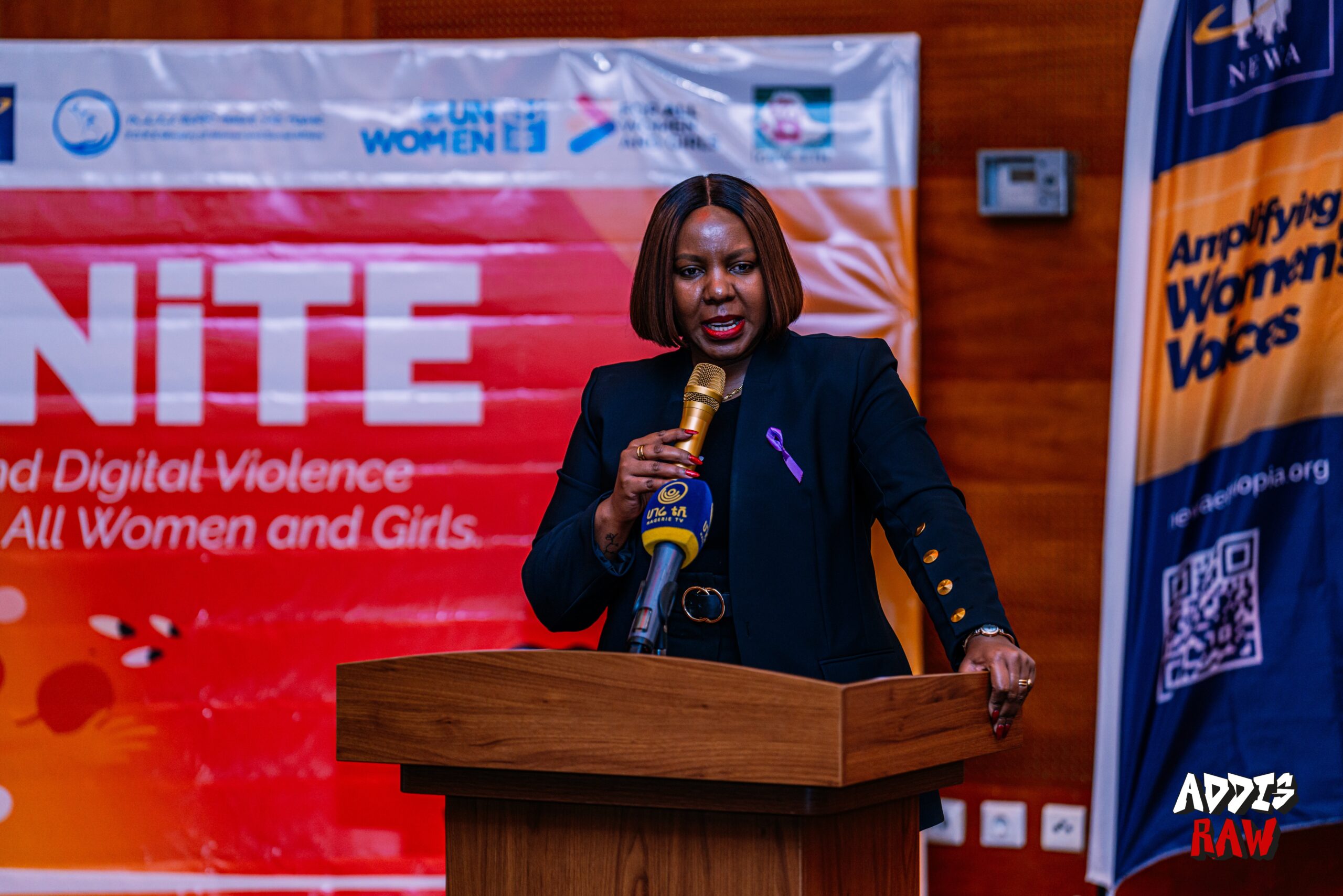
The same balance shows up in her public work. Whether moderating high-level panels at short notice or standing before rooms filled with senior policymakers, she understands when noise must be sharpened with preparation. One of the toughest audiences she ever faced was a group of parliamentarians; older men, unmoved by charisma, resistant to passion.
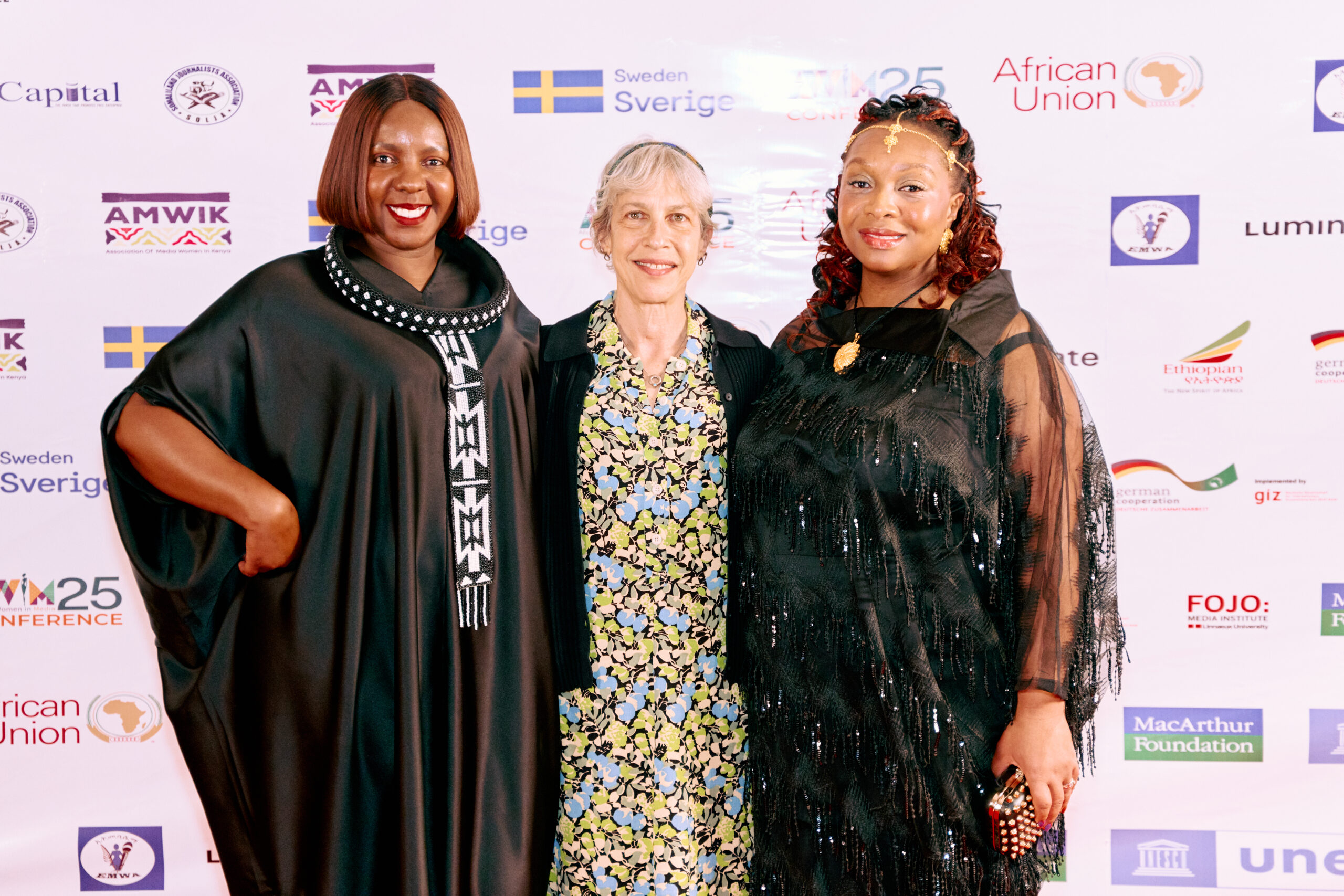
That experience taught her something vital: passion can open doors, but it does not always hold them open. So she learned the language of public finance, regulation, and governance, not to dilute gender advocacy, but to strengthen it.
“Now,” she says, “it’s not just noise. It’s noise with brains.”
When asked what she would do if she were president for a day, Lindiwé does not reach for symbolism. She reaches for budgets. Her answer is clear: a minimum of 25 percent of national budgets dedicated to gender equality interventions.
Declarations are abundant, she notes. What is missing is money—and the political will and courage to invest it where it matters. Still, even policy has its limits.
“What really needs to change,” she says, “is mindset.”
This belief shapes her understanding of gender-safe media, which is the core of the AWiM25 conference. For Lindiwé, it is not only about guidelines or algorithms, but about truthful, real representation. Media, she argues, shapes how women are seen, and how women often learn to see themselves.
Growing up with severe acne, she never saw herself reflected in magazines or on television. Everyone was perfect. That absence stayed with her.
“Tell the truth,” she says. “We have cellulite. We have big stomachs. We have real lives.”
On the topic of accountability, in her view, she believes it will not come from policy alone. It will come from solidarity; women standing together across institutions, refusing to let harassment be treated as an individual burden rather than a systemic failure.
“If we stand with her,” she says, “as a hundred, as a thousand women, they will have to do something.”
But she is also pragmatic. Media houses are businesses, not NGOs. To change them, gender equality must be framed not only as justice, but as a value, as something that makes sense even in the language of profit. This framing will do well to eradicate tokenism and promote real impact. Basically, she says, let’s incentivize gender-safe media.
“We have to speak their Bible,” she says. “Because passion builds movements, but strategy changes systems.”
As our conversation draws to a close, one thing is quite clear: Lindiwé does not separate who she is from what she does. Her advocacy is not a role she steps into; it is her natural habitat. And her noise, once criticised, once questioned, is now unmistakably her power.
For the girls.
For the women.
And for a world that has listened quietly for long enough.
Written by: AWiM Editor, Oluwatoyin Adeoye