Inside AWiM25 at the African Union: Scheherazade Safla on Gender,
Trending
Friday March 6, 2026

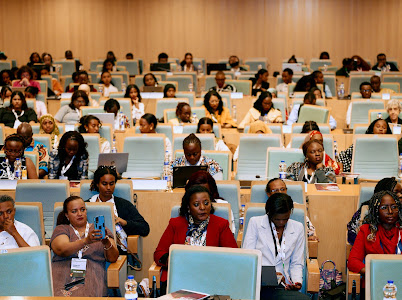
Addis Ababa, Ethiopia — December 5, 2025 — African Women in Media (AWiM) has officially concluded the AWiM25 Conference, a landmark two-day gathering held from 4–5 December 2025 at the African Union Commission (AUC) Headquarters.
The 9th edition of the annual conference brought together more than 250 media professionals, policymakers, researchers, civil society leaders, youth representatives, and technology stakeholders under the theme, “Beyond Commitments: Advancing Policies for Gender-Safe Media.”
Hosted in partnership with the African Union Commission, the conference served as a platform to accelerate continental commitments to the safety, equity, and representation of women in media, both in newsrooms and in media content.
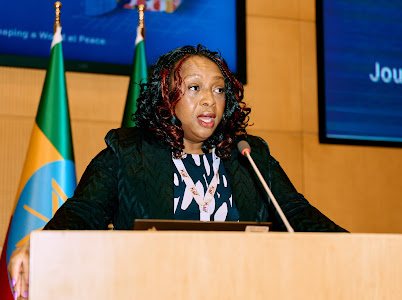
AWiM25 arrived at a critical global moment marked by declining media freedoms, increased online harassment of women journalists, and persistent gaps between gender policies and implementation.
Across the two days, AWiM25 featured High-level plenaries and policy dialogues; Sessions on digital rights, representation, media regulation, and organisational safety; Workshops on media business models, youth participation, and digital protection frameworks; Fireside conversations highlighting lived experiences of women in media; and the official presentation of the AWiM2030 Strategy and establishment of AWiM25 Working Groups called Communities of Practice (COPs).
For a full narrative recap of how Day 1 unfolded from the opening ceremony to the policy-shaping sessions, access the detailed summary here.
AWiM extends sincere appreciation to all partners whose support made AWiM25 a success, including:
The African Union Commission
Luminate
Ethiopian Airlines
Ethiopian Media Women Association
Fojo Media Institute
Wits Centre for Journalism
Deutsche Gesellschaft für Internationale Zusammenarbeit (GIZ) GmbH
YNaija
Capital Ethiopia
Global Forum for Media Development (GFMD)
UNESCO
Media Development Investment Fund
MacArthur Foundation
Free Press Unlimited
AMWIK
Sweden Sverige
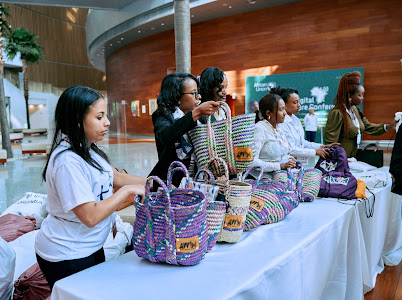
Their collective commitment strengthened AWiM’s mission to make media safer, more inclusive, and more equitable for women across Africa.
More than 110 influential voices from journalism, regulation, advocacy, academia, technology, and civil society shaped AWiM25’s conversations and outcomes as keynote speakers, moderators, facilitators, rapporteurs, and panellists.
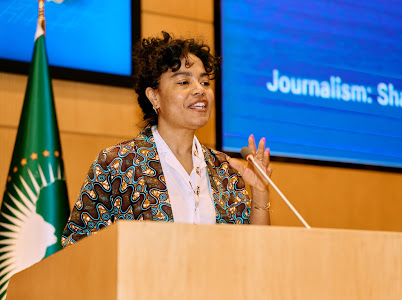
These voices include Meseret Kebede (Director, Ethiopian Media Women Association), Mr David Gudisch, (Deputy Permanent Observer to the AU), Leslie Richer (Director, African Union Information and Communication Directorate), Elham Ali Mehammed (Programme Coordinator, Fojo Media Institute), Scheherazade Safla-Gaffoor (Journalist and Assistant Professor, Northwestern University), Dr Rita Bissoonauth (Head, UNESCO liaison office to the AUC, ECA and representative to Ethiopia), H.E. Johan Romare (Deputy Ambassador of Sweden to Ethiopia), H.E. Ourveena Geereesha Topsy-Sonoo (Honourable Commissioner, Special Rapporteur on Freedom of Expression and Access to Information in Africa), Prof Oluyinka Esan (Board Member of African Women in Media), Lindiwe Mugabe (Programme Specialist, Women, Gender and Youth Directorate, African Union Commission), Erelu Bisi Adeleye-Fayemi (Cofounder, African Women’s Development Fund (AWDF), and many more from across the continent.
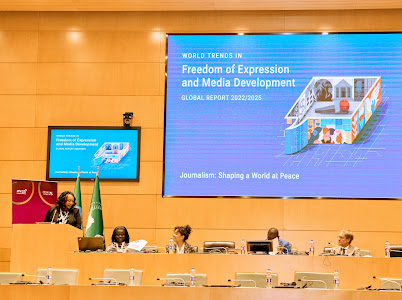
Their expertise and dedication ensured the conference delivered both depth and direction.
The conference made it clear that we can no longer sit with commitments on paper; stakeholders pushed for gender-related media policies to finally shift into real, measurable action. Digital safety stood out as a continental priority, especially as women journalists continue to face rising online harassment, reinforcing the call for stronger platform accountability, legal protections, and better digital literacy. Speakers also highlighted the ongoing gaps in representation and leadership, stressing the need for more women in decision-making spaces and more intentional, empowering storytelling about women and girls.
Throughout the sessions, the power of collaboration was unmistakable, with governments, media organisations, civil society, tech actors, and academia aligning more closely than ever. And to ensure all of this doesn’t end at the conference, AWiM25 set up its Working Group, Communities of Practice, to sustain momentum and track progress well beyond the event.
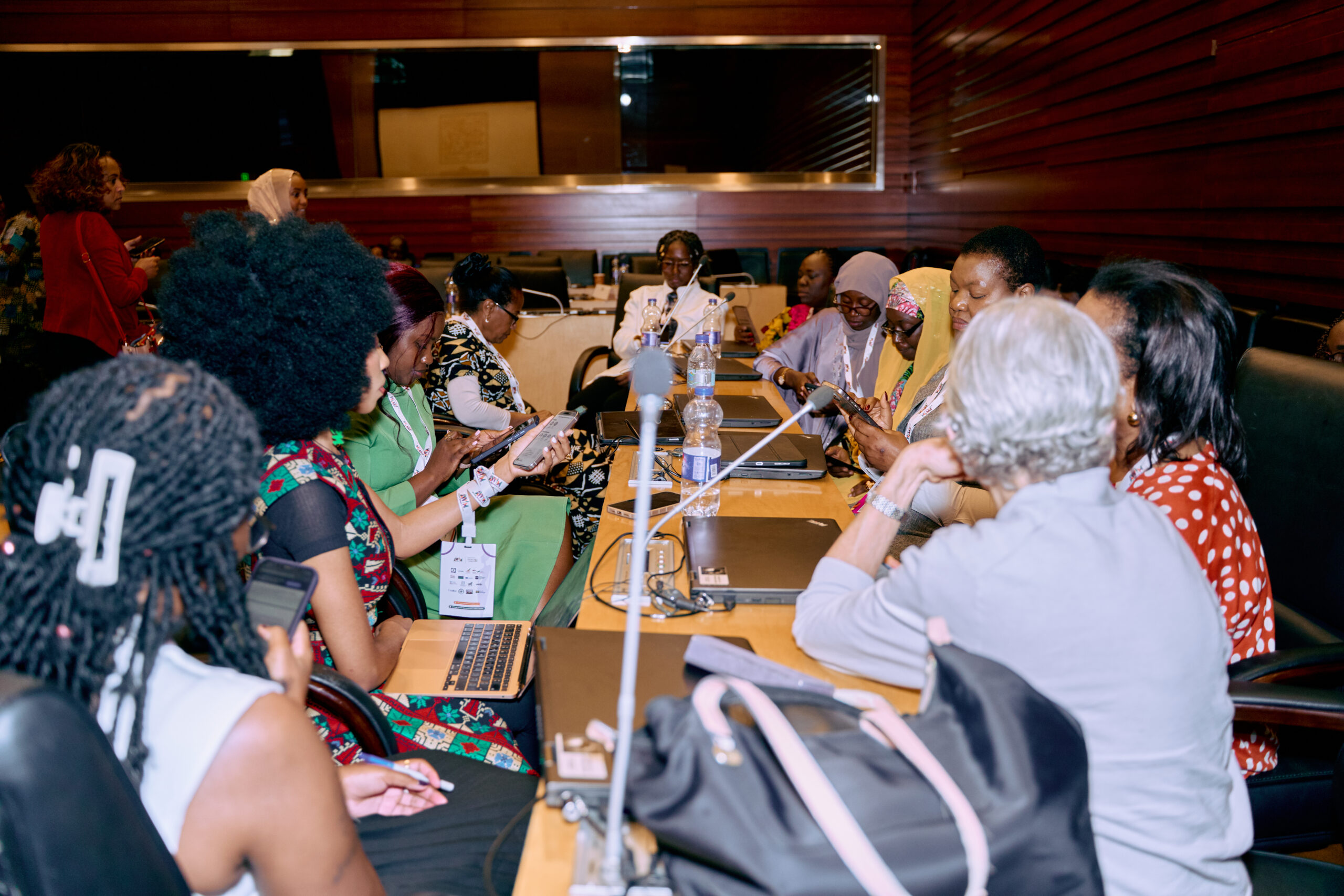
Readers seeking a full breakdown of Day 2, including the plenaries, fireside conversations, roundtable outcomes, and GeleVerse (post-conference dinner), can explore the complete recap linked here.
AWiM urges media regulators, newsroom leaders, policymakers, technology companies, and advocacy groups to embed AWiM25 recommendations into policy, practice, and institutional culture. In 2026, AWiM will support capacity-building, implementation monitoring, and policy advocacy through its Communities of Practice.
AWiM25 also marks a renewed, continent-wide push to implement the Kigali Declaration on the Elimination of Gender Violence in and through Media, a declaration co-designed by over 250 delegates at AWiM 2023, and now aligned with the AU Convention to End Violence Against Women and Girls (AU-CEVAWG).
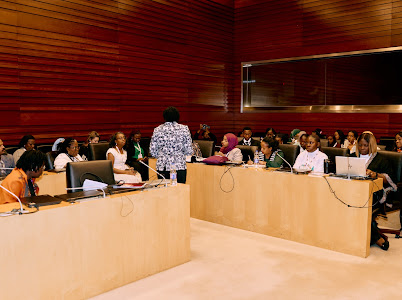
During the AWiM25 roundtable sessions, right before the close of the conference, every delegate was tasked with defining practical, time-bound commitments (personal, organisational, professional, and policy-level) towards advancing both the Convention and the Kigali Declaration. Their nominated rapporteurs presented proposed action plans that now form the foundation of AWiM’s continental implementation strategy over the next six to twelve months.
African Women in Media (AWiM) is a pan-African non-governmental organisation founded in 2016 with the mission to reshape how media works for, and about, African women. What began as a Facebook group connecting women in media has grown into a robust continental network, with thousands of members across Africa working in journalism, content production, media policy, and media-tech. Through research, advocacy, training, and community-building, AWiM seeks to create enabling environments where African women have equitable access to representation, leadership, and influence, both in newsrooms and in media content.
Each year, AWiM convenes its flagship international conference, which since 2017 has travelled across African capitals and brought together media professionals, policymakers, academics, civil-society organisations, and technology experts. AWiM has launched platforms such as AWiM Learning, AWiM News, Her Media Diary (a weekly podcast focused on women’s experiences) and SourceHer (a database of African women experts across various industries in Africa and the Diaspora). They have also implemented continent-wide reporting projects such as Move Africa 2025 and its gender-based violence reporting programmes.
For media enquiries, email: joy@africanwomeninmedia.com

Recent Comments