Inside AWiM25 at the African Union: Scheherazade Safla on Gender,
Trending
Friday March 6, 2026

From New Flower to Ever-Blooming Flower
Morning light fell over the African Union Commission (AUC) Headquarters,in the early hours of today, December 4th, 2025, in Addis Ababa as 250+ delegates streamed to the Main Gate for registration.
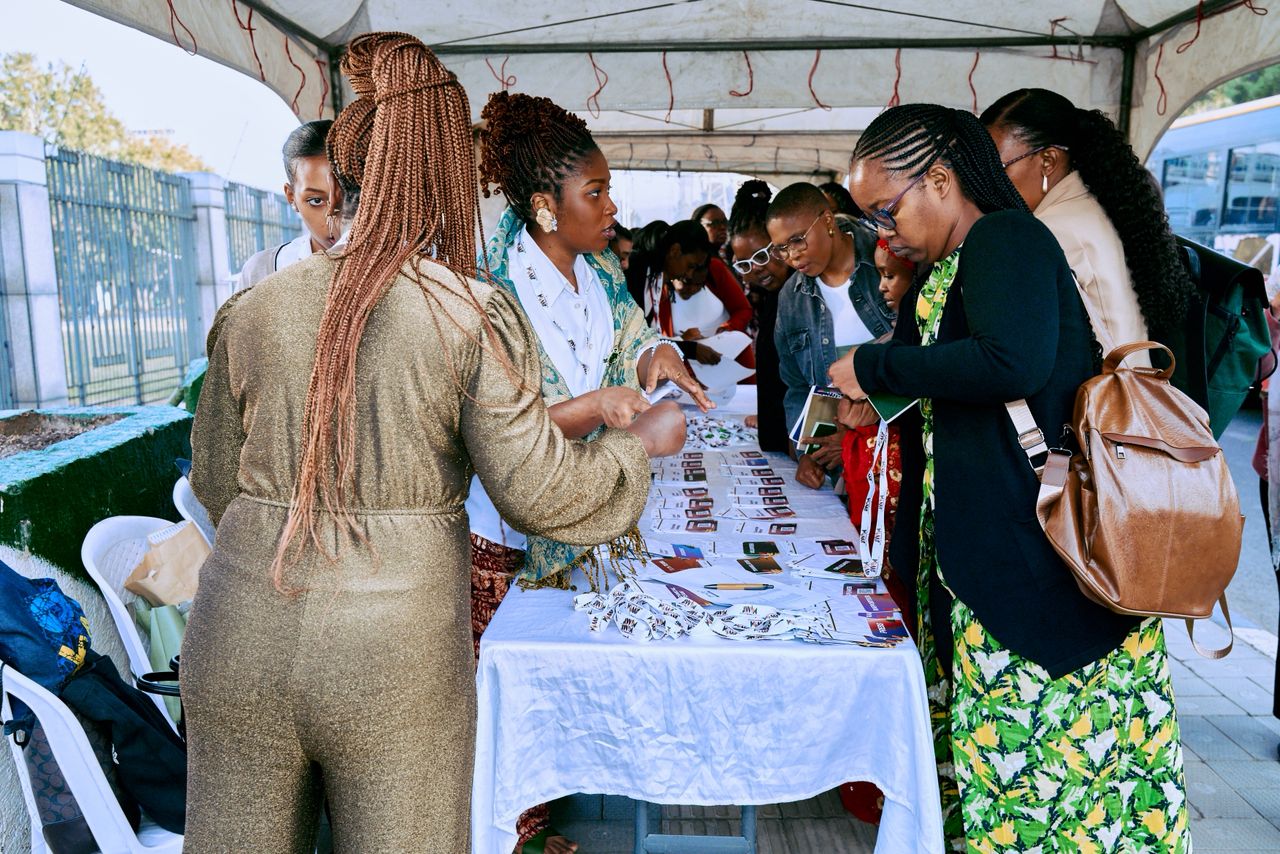 Conference Registration desk at the AU Headquarters, Main Gate
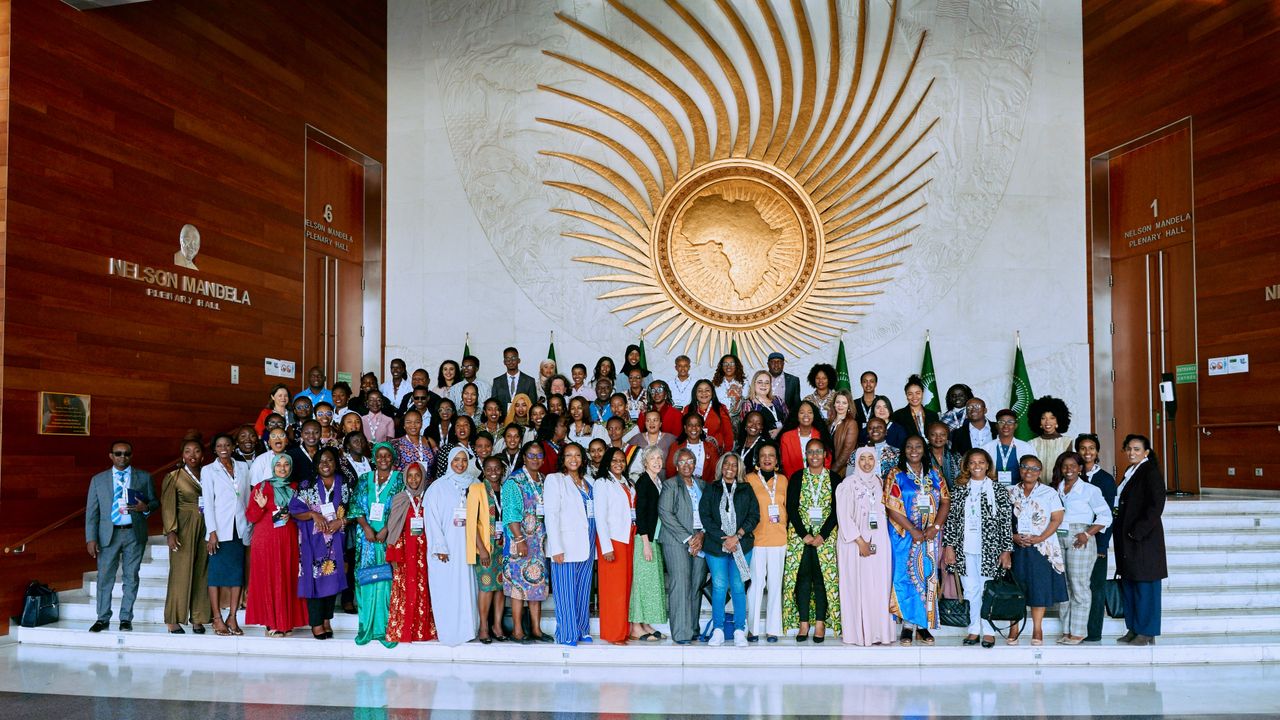
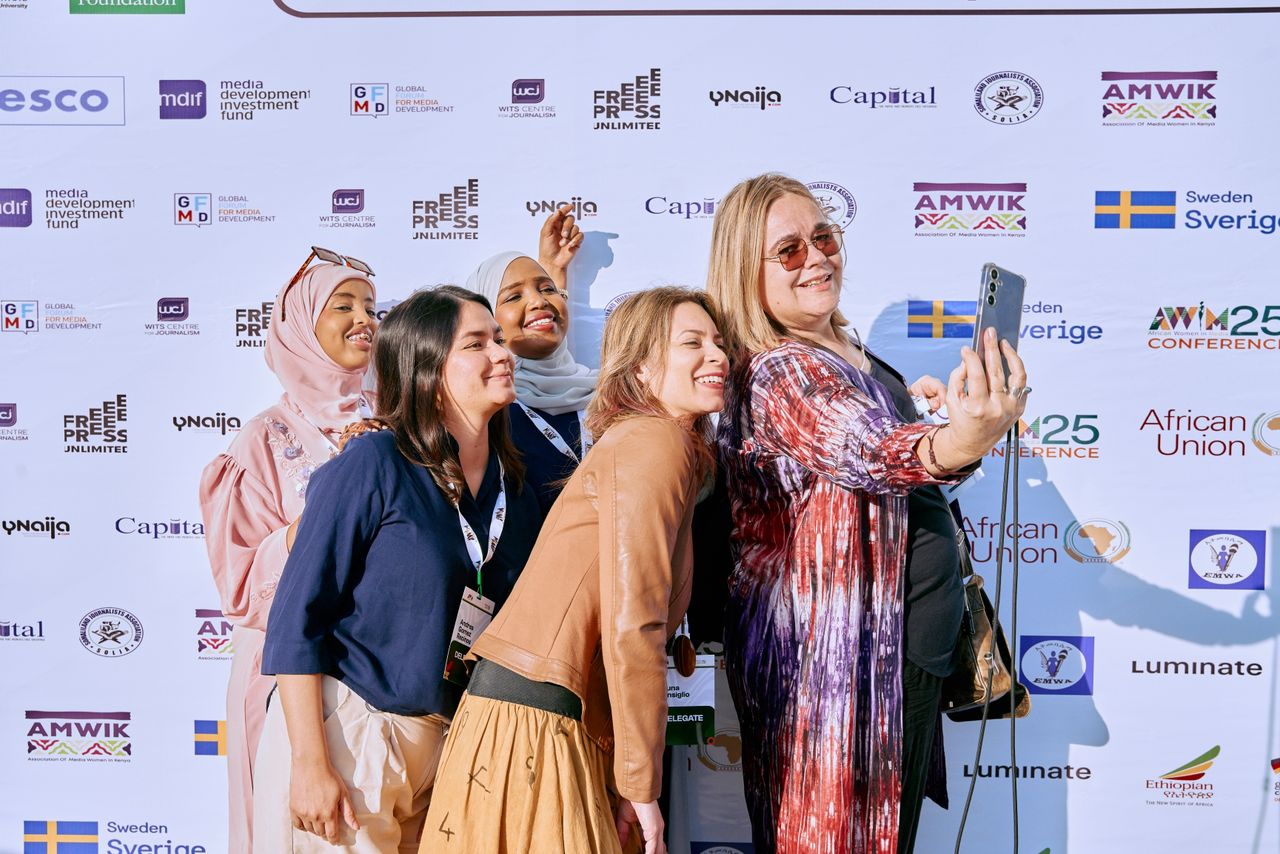
By 7:30am, the main courtyard was already alive with the sound of greetings, reunions, and first-time introductions. Cameras clicked steadily during the networking and group photo session at the steps and landing of the Nelson Mandela Hall, capturing the diversity of journalists, policymakers, editors, academics, and development partners who had travelled from across the continent for this ninth edition of AWiM’s flagship conference.
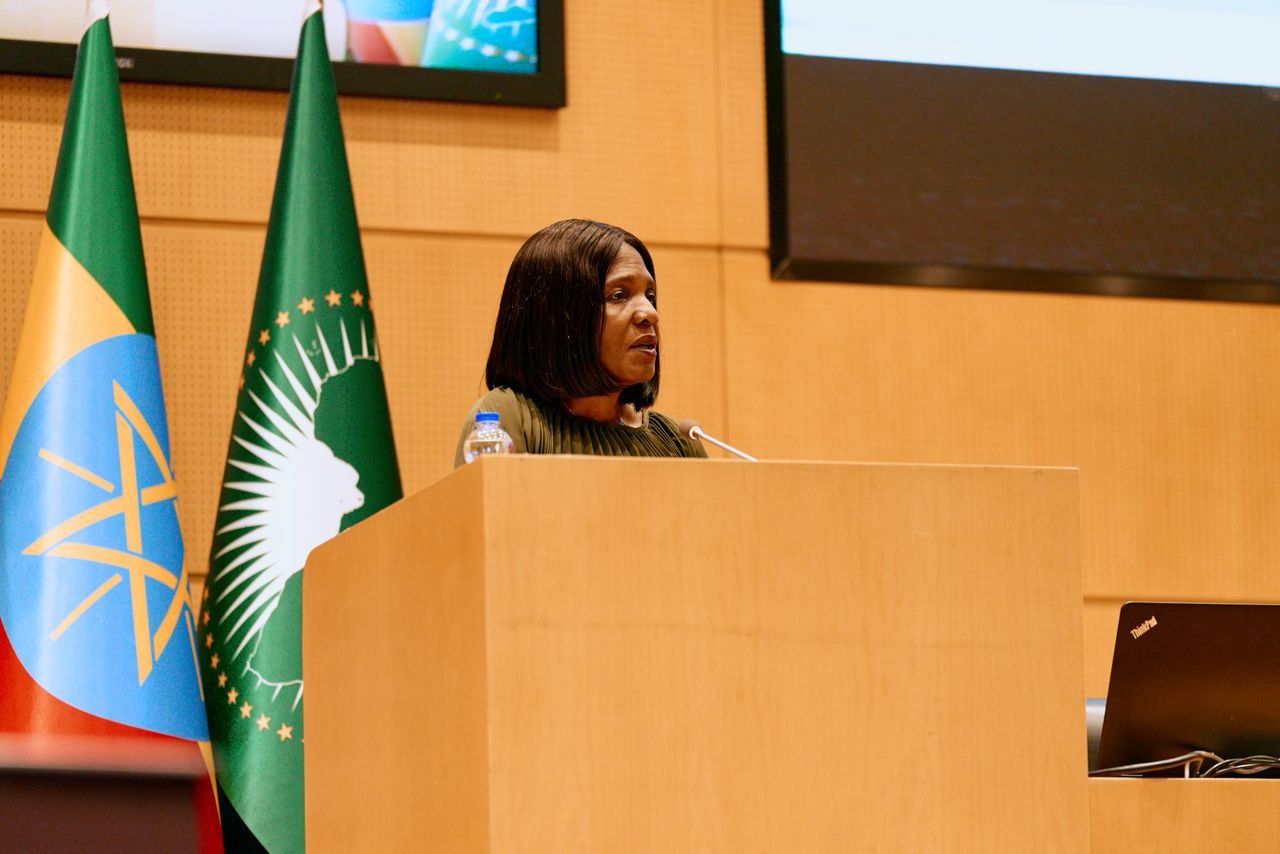 Wynne Musabayana, Master of Ceremony AWiM25
The conference officially opened in Medium-Size Conference Hall 1 with Wynne Musabayana (Head of Communication, African Union Commission) as Master of Ceremony giving a stirring welcome address. The energy was palpable as delegates responded enthusiastically to a call-and-response roll call led by the MC, affirming the shared purpose of the gathering, to advance the empowerment of women in media across Africa.
Dr. Yemisi Akinbobola, AWiM’s Co-founder & CEO, further cemented the tone with a call to move “beyond commitments” toward real accountability and implementable policy action.
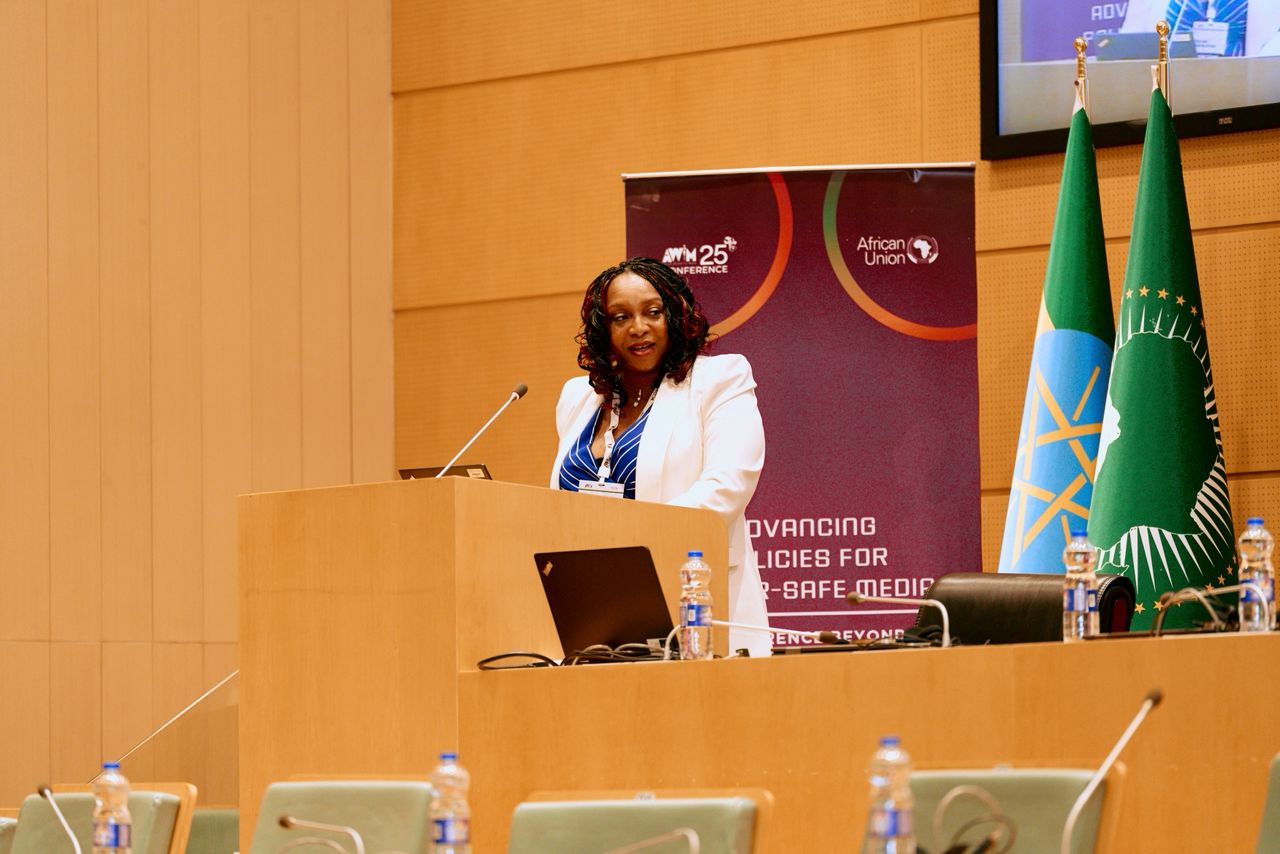 Dr. Yemisi Akinbobola, CEO, African Women In Media
“Why wouldn’t we use our platforms to advance something that will transform the lives of women and girls?” said Dr. Yemisi in her opening remarks. She took the stage with nostalgia and steel in her voice, tracing her relationship with Addis back to 2019, her first visit to the AU Information and Communication Directorate, and the moment she discovered Agenda 2063, Aspiration 6, calling it the instant she became “bought in… without a doubt, to the vision of the Africa We Want.”
She highlighted the significance of the AU-CEVAWG (Convention to End Violence Against Women and Girls), noting that while it exists as a landmark continental instrument, full ratification and enforcement remain critical. She challenged participants from countries not yet signatory to hold their governments accountable and unveiled the AWiM 2030 Vision, a roadmap centred on networking for shared insight, advocacy through knowledge-led multisectoral action, and economic empowerment to strengthen women’s financial power in media.
Dr. Akinbobola posed two guiding questions for the conference, “What is each participant’s role in ending violence against women, and what can be built collaboratively across borders and sectors?”
Meseret Kebede of the Ethiopian Media Women Association followed with a grounded reflection on Ethiopia’s media landscape, while Mr. David Gudisch (Deputy Permanent Observer to the AU) and Leslie Richer (Director of the AU’s Information and Communication Directorate) affirmed the AU’s support for safer, more gender-responsive media environments across Africa.
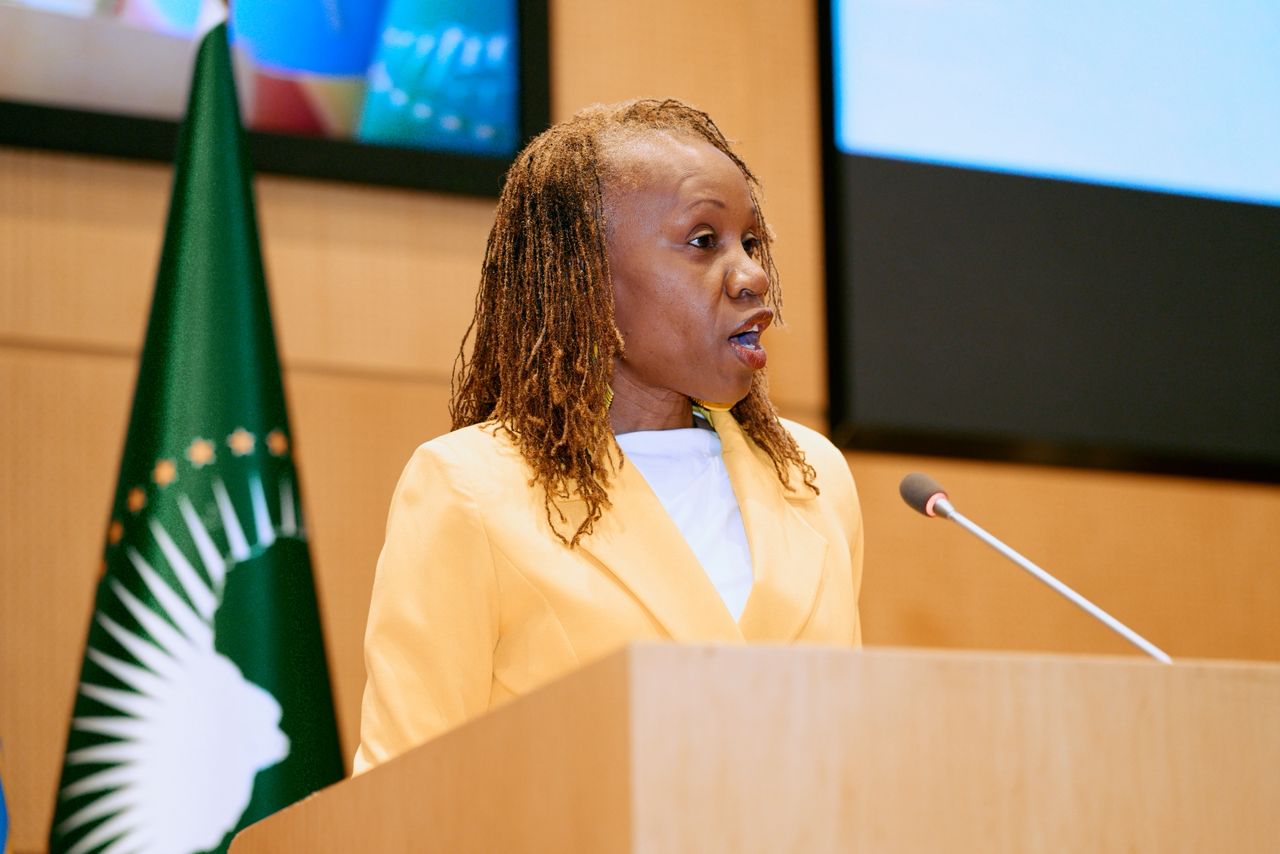
Leslie Richer, Director of the AU Information and Communication Directorate
Richer called for accountability, emphasising that the conversation is no longer about debating the reality of gender-based violence but about addressing the institutions that fail women and girls. She stressed that legislation without enforcement is meaningless and highlighted the responsibility of technology companies to embed safety into platform design and ensure gender representation in leadership. Acknowledging men in attendance, Richer affirmed that ending violence against women is a collective responsibility and urged civil society to continue documenting harms both online and offline, reminding delegates that the digital world is inseparable from the real world.
Moderated by Lindiwe Mugabe, the opening keynote panel brought together regulators, investment experts, media authorities, and AWiM leadership from across Africa. Dr. Akinbobola unpacked the critical link between policy, economic models, and safe working environments for women journalists, while Lebogang Maphada of MDIF argued for the necessity of long-term financing models that prioritise gender inclusion.
Latifa Tayah (Morocco’s director of the audiovisual authority) and Yonatan Tesfaye (deputy director, Ethiopia Media Authority) addressed regulatory shifts happening at national levels. David Omwoyo of the Media Council of Kenya stressed practical reforms needed to protect women journalists both online and offline.
The session closed with a shared acknowledgement that any regulation that excludes gender is regulation that fails the public. The delegates refueled over Ethiopian coffee, tea and pastries in Lobby B as side conversations bloomed into spontaneous collaborations.
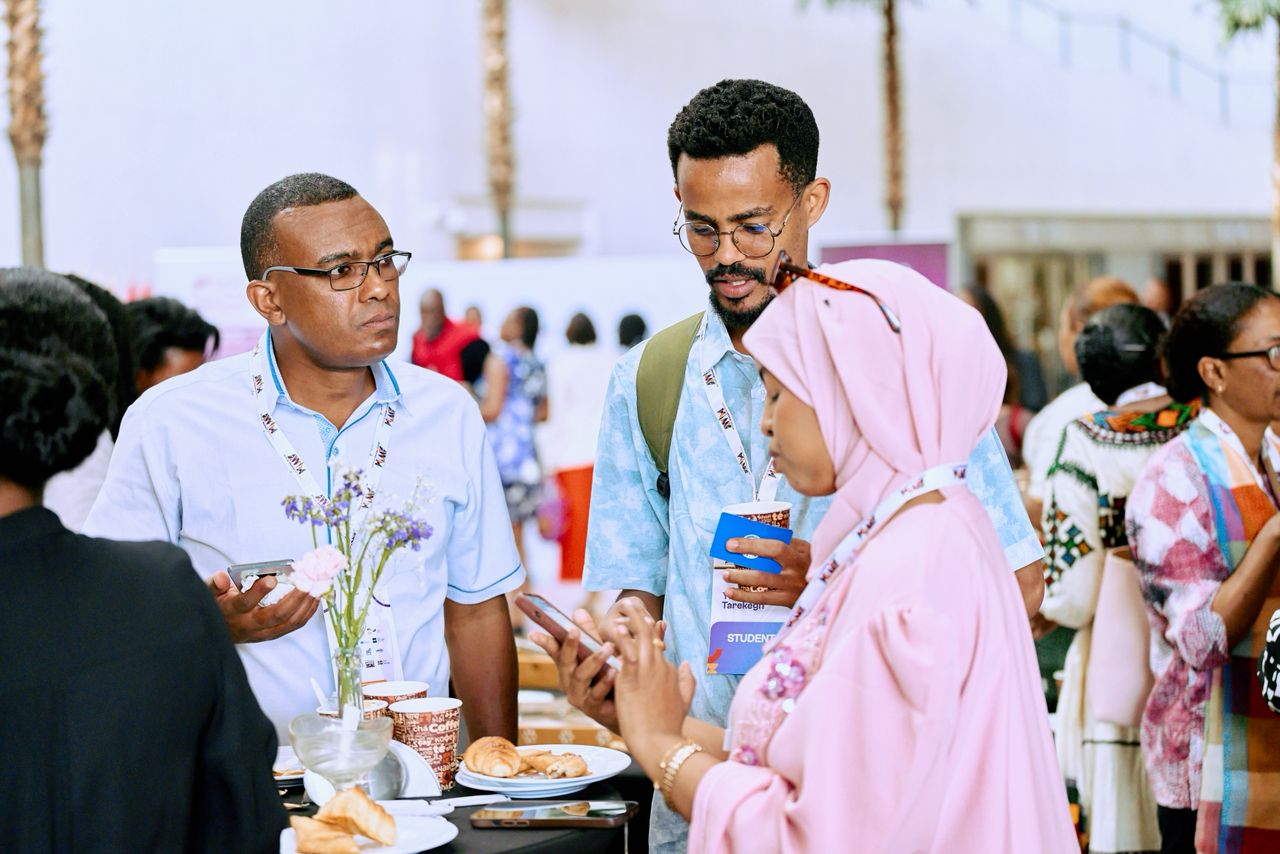 Delegates Networking During Tea Break
What followed was a series of concurrent breakout sessions running at hour-and-a-half intervals from noon to 6 pm EAT, across plenary and conference halls in the commission building.
Moderated by Zelalem Mengitsu, experts Ifeyinwa Awagu, Queenter Mbori, and Kim Thipe dissected the persistent failures of institutions to treat online abuse as real-world harm. Discussions explored cross-border legal gaps, newsroom inaction, and the urgent need for enforceable accountability standards.
Dr. Phathiswa Magopeni discussed the systemic challenges facing public service media in Africa, including unregulated content flows, fragmented consumption, and algorithm-driven suppression of content crucial for democracy. Queeneth Mbori of AMWIK highlighted gaps in Kenya’s sexual harassment policy, the importance of men-to-men engagement, and the often-overlooked mental health impacts of harassment.
The MDIF workshop on Media Innovation and Business Resilience in Africa , moderated by Dara Àjàlá and Khumo Sello, examined media business development and AI’s role in journalism, affirming that AI strengthens rather than replaces journalists and frees time for investigative reporting. Discussions also emphasised that sustainability depends on strong business processes, not funding alone, and that revenue models must balance advertising with audience engagement. ASHA Mwilu reminded participants that the future of journalism is not exclusive to young people, while Dara highlighted that revenue models must balance advertising with audience-driven strategies.
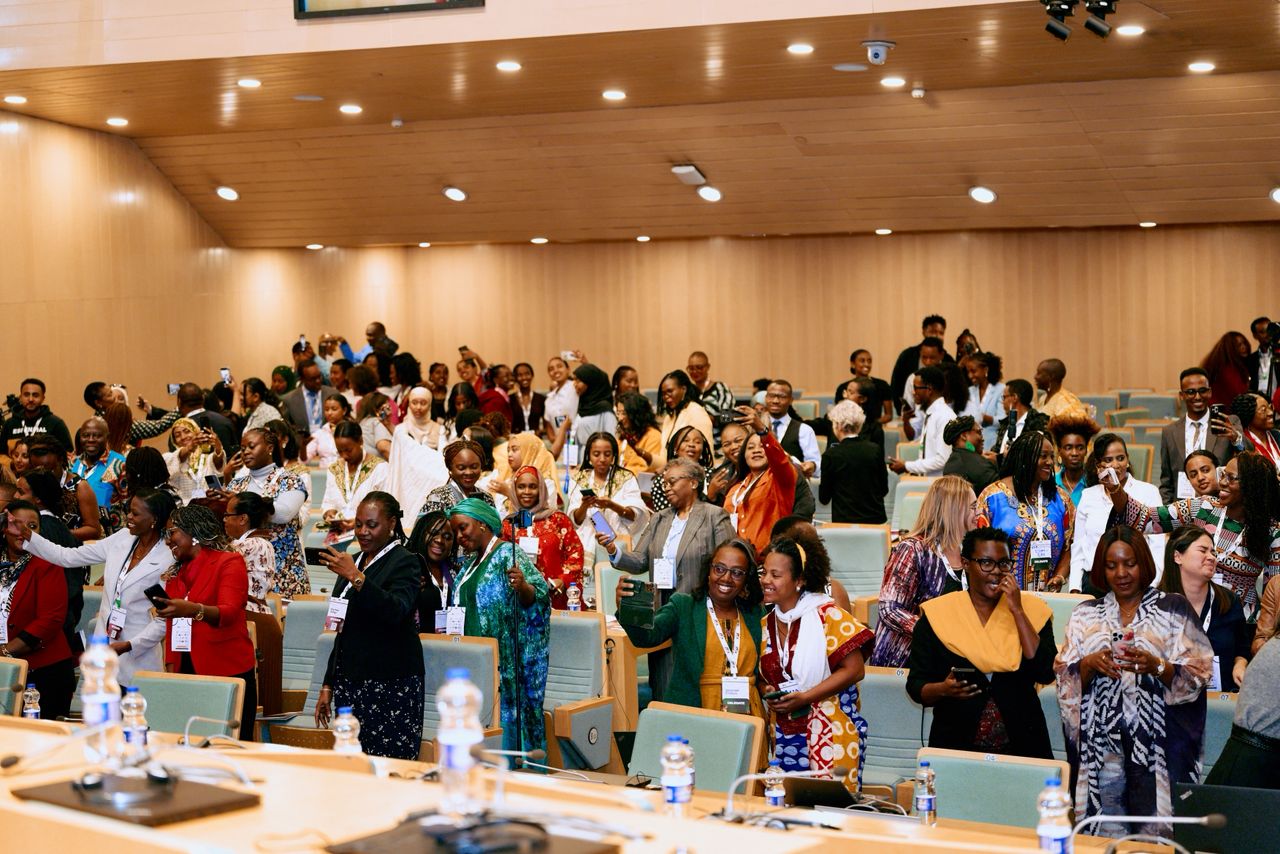 In between sessions, lively exchange of ideas continued over njera, rice and pasta dishes, and continental cuisine in the multipurpose hall at 1:30pm.
Moderated by Elham Mohamed, the next set of sessions began 30 minutes later, confronting the tough truth that many media organisations have gender policies, but few implement them meaningfully. She started the panel with a brief animated film on the subject. The panellists highlighted the daily struggles of women journalists and stressed the importance of internal councils, evidence-based advocacy, safe spaces, and assignment practices that reduce risk and eliminate gendered emotional labour.
Then speakers Nardos Yosef, Jean Mujati, Tigist Yilma, Yonatan Tesfaye, Dureti Tadesse, Helina Mebratu, Meseret Kebede, Annemarie Dushimamana, and Melkamsew Solomon, shared case studies of what real implementation looks like, from internal reporting pathways to gender-safe newsroom design. The core message was that policy without practice is simply a performance.
AI ethics took centre stage under moderator David Omwoyo. Martha Iyambo, Mbanangwa Cynthia Kwilasya, and Uyavhuya Matibe explored algorithmic bias, data discrimination, and the risk of AI systems amplifying patriarchal structures unless African women are involved in designing and regulating them.
Moderated by Yemisi Shafe Adefolaju, speakers Vincentia Khakasa, Ivy Gikonyo, Rachel Onamusi, Ellison Shumba, and Portia Sizalobuhle Ndlovu mapped the friction between digital innovation and fragmented policy frameworks across the continent. They emphasised that gender-safe digital spaces require regional harmonisation, not isolated national efforts.
Led by Vanessa Perumal and featuring Dr Thuli Mthetwa, Taynita Harilal, Elmarie Pereira, and Ayanda Mafuleka, the next panel discussion reframed storytelling as an economic tool for survivors. Journalists were urged to shift from extractive reporting to impact-driven storytelling that creates opportunities and limits retraumatisation.
Ifeyinwa Awagu moderated a high-energy session with Dr Vincent Obia, Mantate Queeneth Mlotshwa, Stella Kasina, and Fiona Nzingo. They dissected how media narratives often replicate harmful stereotypes that feed into real-world violence, urging the adoption of newsroom-level policies that neutralise gender bias before publication.
Moderated by Rachel Onamusi, speakers Wendy Papo, Albright Alitsi, and Scheherazade Safla-Gafoor called out the chronic underrepresentation of women and marginalised identities in mainstream media, advocating for policy-driven visibility quotas, editorial change, and archival equity.
Fenke Elskamp moderated Fatima Mohamed and Hadia Khadar Dahir in this compelling case study on how Somaliland’s women journalists navigate disaster reporting in contexts of GBV, governance gaps, and cultural resistance, a vital contribution to the Kigali Declaration’s goals. The panel demonstrated how drought and displacement heighten gender-based violence risks, with most cases going unreported or unresolved.
 Inside the commission’s briefing room 5, Dr. Akinbobola hosted an intimate live recording of a HerMediaDiary podcast session, in conversation with Fatima Mohammed Ahmed (Nigerian Association of Women Journalists, Yobe Chapter), Adaobi Obiabunmuo (Primorg), and Oluwadara Ajala (MDIF). The episode spotlighted the MacArthur Foundation’s On Nigeria program, the guests having been benefactors of the program’s grants.
It started at exactly 5 pm EAT. The hour-long session examined how grants can reshape investigative journalism ecosystems, strengthen accountability infrastructures, and create more resilient newsrooms in fragile democracies.
This closed-door recording shared the schedule with open documentary screenings in the plenary hall. Ami Tamakloe and Malaka Grant premiered “Adventures Too”, a bold media blueprint for youth-centred SRHR empowerment. This was followed by Tamakloe’s Ghost Coast Girls (G.C.G.), produced through a Malala Grant. The short docu-film was a feminist cinematic project that aimed to reclaim erased women’s political histories.
Both films drew enthusiastic applause and set a vibrant cultural tone heading into Day Two.
Soon after, the delegates grabbed fresh cups of tea and plates of snacks as they spilled into Addis Ababa’s golden sunset buzzing with conversation, reflections, their AWiM gift bags, and hopefully, renewed resolve.
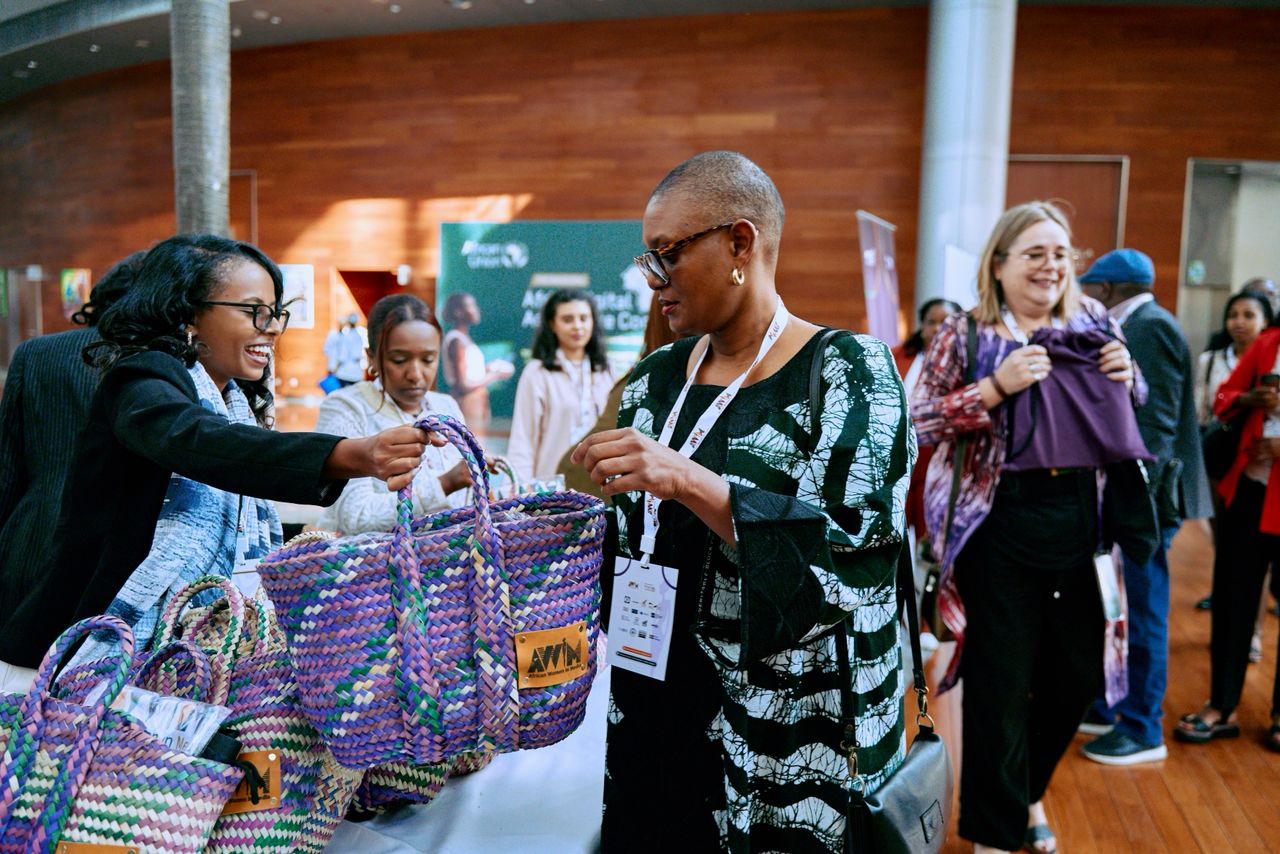 As day one came to an easy close, one could almost hear one main quote from the conference echo, Wynne’s call for the translation of Addis Ababa to evolve from “new flower” to “ever-blooming flower” because of the city’s consistent growth. If you know AWiM, you know its annual conference only gets exponentially more impactful to the discussion and enforcement of gender-focused policy year after year.

Recent Comments