Inside AWiM25 at the African Union: Scheherazade Safla on Gender,
Trending
Friday March 6, 2026

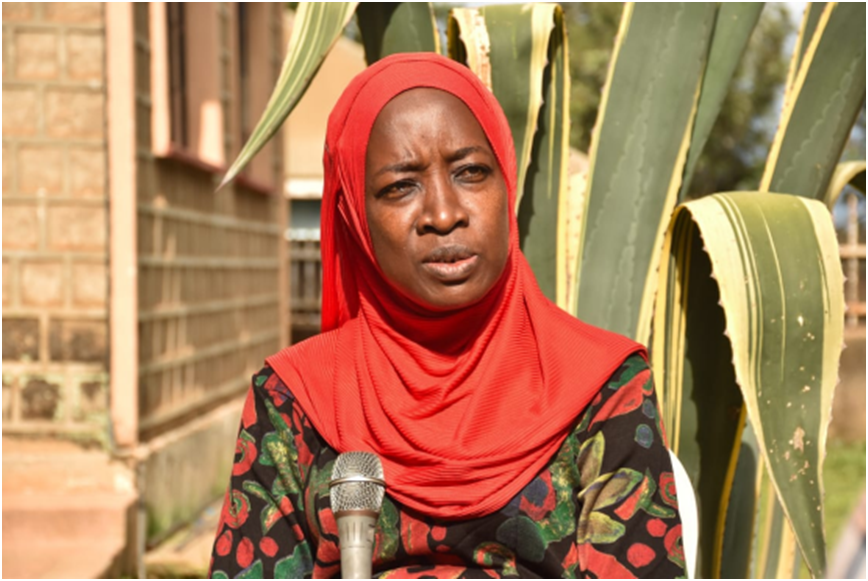
Ummy Maloba, county secretary of the Maendeleo ya Wanawake caucus in Bungoma.
Growing up, Ummy Maloba always imagined herself at the forefront with a mission to support and uplift women.
Her voice is calm, but her conviction is unwavering. “I have seen women suffer, and I want to help them speak out,” she says.
Today, that dream lives and breathes through her role as the Maendeleo ya Wanawake Women’s Caucus County Secretary, Bungoma Chapter.
In this role, Maloba is not just fulfilling a childhood ambition. She is reshaping what leadership looks like for rural women in western Kenya.
According to the internal caucus records, in 2025, the caucus was present in all 45 wards of Bungoma County and included more than 450 grassroots women leaders and over 4,000 women members.
It champions women’s rights, promotes gender-responsive leadership, and empowers communities through climate action, ending gender based violence, economic inclusion, and positive parenting.
“Through the Caucus, we have been able to talk about issues affecting women openly; from climate, governance, and gender based violence, because it has given us space to reclaim issues that are directly linked to us,” says Maloba.
For her, what truly matters in leadership is making sure marginalized groups are heard and seen.
The caucus has helped women move from simple participation to playing a role in influencing policy decisions.
The caucus routinely organizes public barazas to hold officials accountable, record local budgeting, and gain access to important county planning meetings.
According to Maloba, much has changed since the caucus was allowed to present gender priorities in the county’s five-year development plan.
“Being invited to present our gender priorities showed us our voices had finally reached power, and this time, they allowed us in,” she says.
However, Maloba was not the only person involved in this movement. Eunice Wekesa, a subsistence farmer from Tongaren sub-county, says the caucus has shown them a different understanding of leadership.
“With the culture that has been here for a long time, I used to believe that only educated or wealthy women could be leaders. I now see women getting leadership opportunities in the local areas, taking part in public meetings, and standing for school board elections,” Wekesa says.
Wekesa, much like other members, often attends meetings and training organized by the caucus.
She says she came into the caucus without knowledge of climate change, but through the engagements, she realized that women are the most affected by climate change.
“Right now, I have information on the impacts of climate change on our lives. I can now understand that climate change leaves us defenseless if we do not actively engage in it because our work is not to adapt but to advocate for policies that will help us and the coming generations,” She says
The caucus’s advocacy aims to push for the allocation of funds to women-led projects, climate adaptation, and mitigation.
“It is not just about the environment,” Maloba emphasizes. “It’s about survival. And women are leading that survival strategy.”
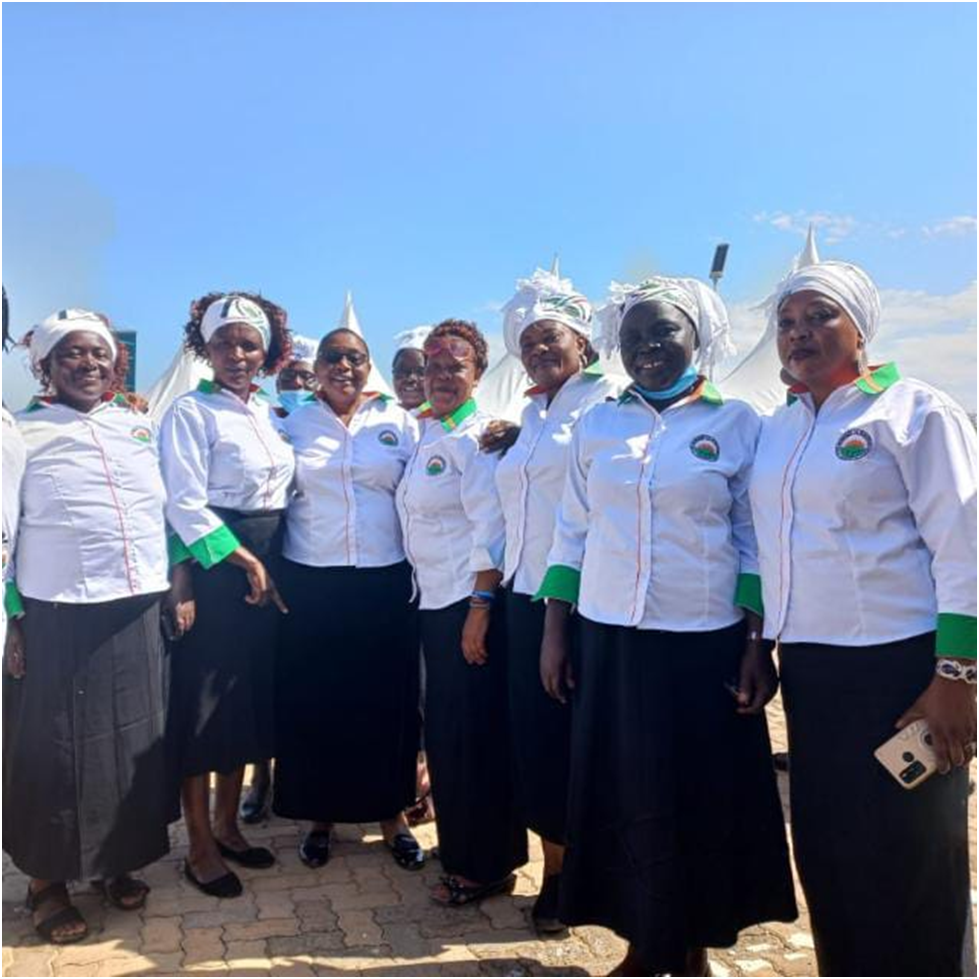
A section of the women’s caucus during an engagement.
Even though progress is something the caucus attests to, they experience challenges in their work.
“One of the biggest challenges we face is gender-based violence,” Maloba says.
“It’s not just in the home, it gets difficult sometimes to find solutions to the aching issue affecting many women in this community. Besides, it’s how women leaders are targeted, talked about, and dismissed. Some still believe leadership is not something a woman should hold.”
Personal opposition is just one problem. Limited budgets make it hard for the caucus to spread its work to all 45 wards in the County.
“Limited resources for tools and transportation force most women to depend on those close to them for information and involvement, a situation the caucus is improving through connecting and guiding its members,” adds Maloba
The caucus activities also impact other women within neighbouring counties.
According to an internal report, more than six informal women’s groups in neighbouring counties have embraced Bungoma’s structure: ward-based leadership cells, thematic working groups in diverse sectors including climate, health, GBV, and policy engagement teams.
This is part of a broader regional change, according to Professor Nyukuri Barasa, a gender policy expert in the County.
“What Bungoma is demonstrating for us is that not only is women-led accountability possible, it’s scalable. Their caucus structure is being used as a blueprint for bottom-up governance”, he says.
The African Union report on African Women’s Decade ( 2010–2020 )on the Implementation of the AU Gender Architecture and Women’s Empowerment Initiative, in turn, supports this.
It shows that when the local grassroots women’s groups are empowered and organized, their impact on local governance and national decisions is enormous.
In homes as well, the effects are being felt. Leaders such as Flekhia Mukhula say the greatest transformation has been the change in the way their daughters see themselves.
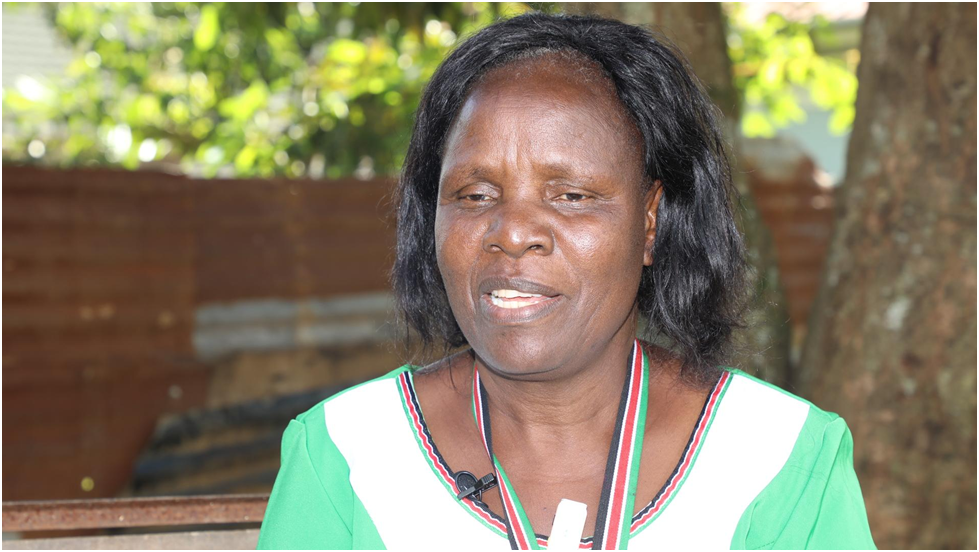
Flekhia Mukhula , a peace and positive parenting champion and a caucus member .
” My daughter would ask why women are not holding key positions. Now she looks at me, chairing a meeting and being recognized among women making an impact through peace championing in the community,” says Mukhula with a smile.
She also presides over a positive parenting circle in the caucus, whereby women learn conflict resolution, co-parenting, and emotional communication, the tools that are not commonly aligned with typical settings, but so desperately needed.
The caucus has actually formed informal alliances with the progressive male leaders as well, especially in the aspect of positive parenting to counter the effects of GBV.
“When women organize, the whole community becomes smarter,” she says.
As the empowerment of women’s caucus in Bungoma continues to gain momentum locally, this struggle becomes a struggle for gender-responsive governance on a much larger regional and continental scale.
Women across Africa are most severely impacted by poverty, conflict, and climate change, and yet are poorly represented in the spaces where decisions about those challenges are made.
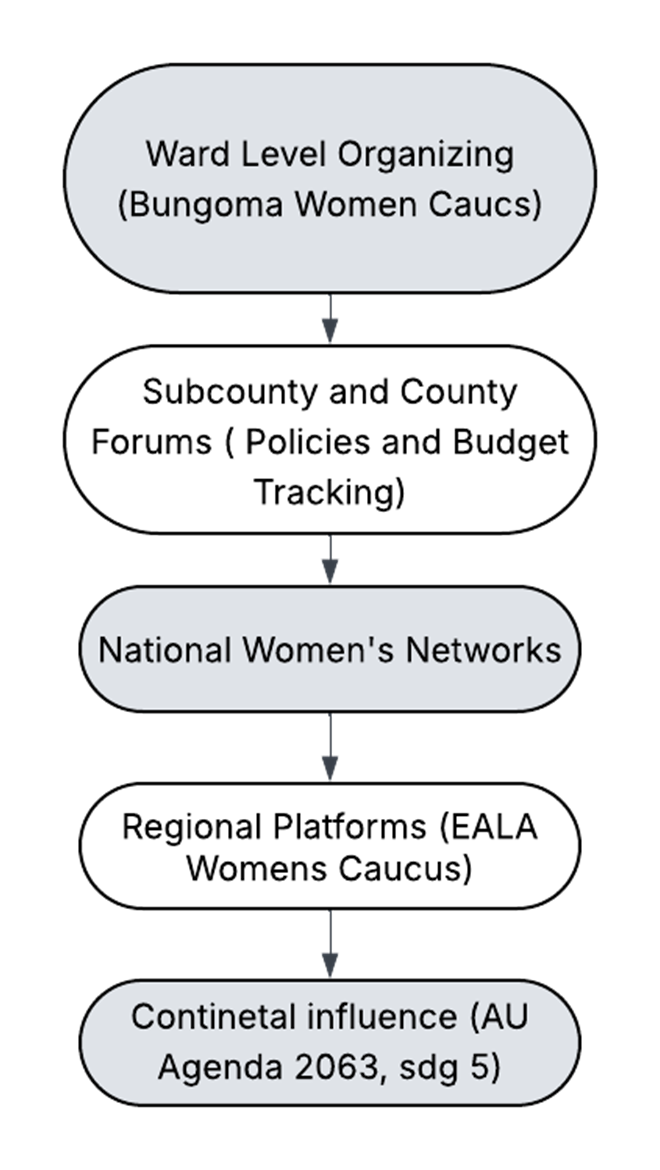
Bungoma caucus is one of the women’s grassroots initiatives, which Professor Nyukuri says is key and a frequently ignored pathway to inclusionary governance.
“We must not only recognize women as victims of climate crises or inequality, but also as policy actors with grounded expertise and transformative potential,” Nyukuri argues.
Nyukuri proposes the incorporation of gender-climate audits in all county development programs in Kenya.
He notes that these audits should not only look at how climate adaptation funds are being distributed, but also whether women are included in the design, implementation, and monitoring of these interventions.
“Already the Bungoma Caucus is doing what many county offices are not doing; linking governance and data with community knowledge, and using it to hold public officials accountable,” he adds.
Professor Nyukuri’s sentiments are echoed by the African Union’s African Women’s Decade Report (2010-2020), highlighting the structural inconsistencies in the design of women’s economic roles and policy representation.
The report recommends formalizing policy-making partners rather than participants in donor-led workshops, as in the case of the grassroots women’s movements.
According to Emmanuel Were, a youth and gender advocate in western Kenya, the caucus is a response to an extended history of obliteration.
Historically, African Women have been modeled to be quiet by their culture. But now, they have become custodians of public money, first responders to violence, and climate planners at various levels in the community .”
He stresses the importance of peer mentorship among the women’s caucus to ensure that the women are grounded in local political concepts.
The vision of this mentorship is supported by findings of a pilot study by WEE Hub on Women in Corporate Governance (2022).
According to the report, women account for 21% of corporate governance board membership; of these, most are urban women.
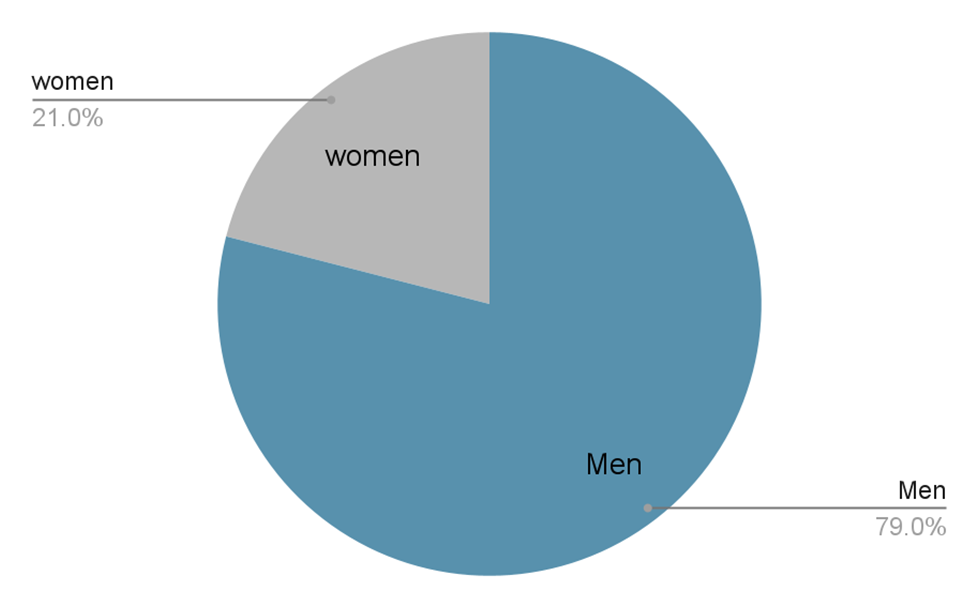
Gender representation of corporate boards in Kenya .
The study attributes the poor representation of rural women in these boards to gatekeeping, lack of mentorship, and cultural resistance .
The study further advocates for decentralized leadership models and the need to invest in empowering local women.
“What Bungoma is doing is creating a boardroom under a tree and in that space, women are learning how to read budgets, ask hard questions, and use their voice to vote,” says Were.
The East African Legislative Assembly (EALA) Women’s Caucus Strategic Plan (2022–2027) acknowledges local women’s groups as the blocks that build regional legislative frameworks.
This caucus credits such frameworks for pushing community-driven inputs into bills , such as the EAC Gender Equality and Development Bill , the Prohibition of Female Genital Mutilation Bill, among others.
However, it also warns that numeric representation does not always correspond to strategic influence, where cultural and institutional barriers are not broken.
The EALA report recommends the institutionalization of women’s caucuses at all governance levels and funding by partner states.
Maloba says the Bungoma Caucus is in line with the EALA recommendation and calls for support to strengthen it and escalate similar programs and strategies to other areas.
“We are not just in the rooms any longer. We are redefining the rules of leadership and adding our experience to all levels of governance .” Says Maloba.
This report was supported by the African Women in Media (AWiM) with support from the Fojo Media Institute.

Recent Comments