Inside AWiM25 at the African Union: Scheherazade Safla on Gender,
Trending
Friday March 6, 2026

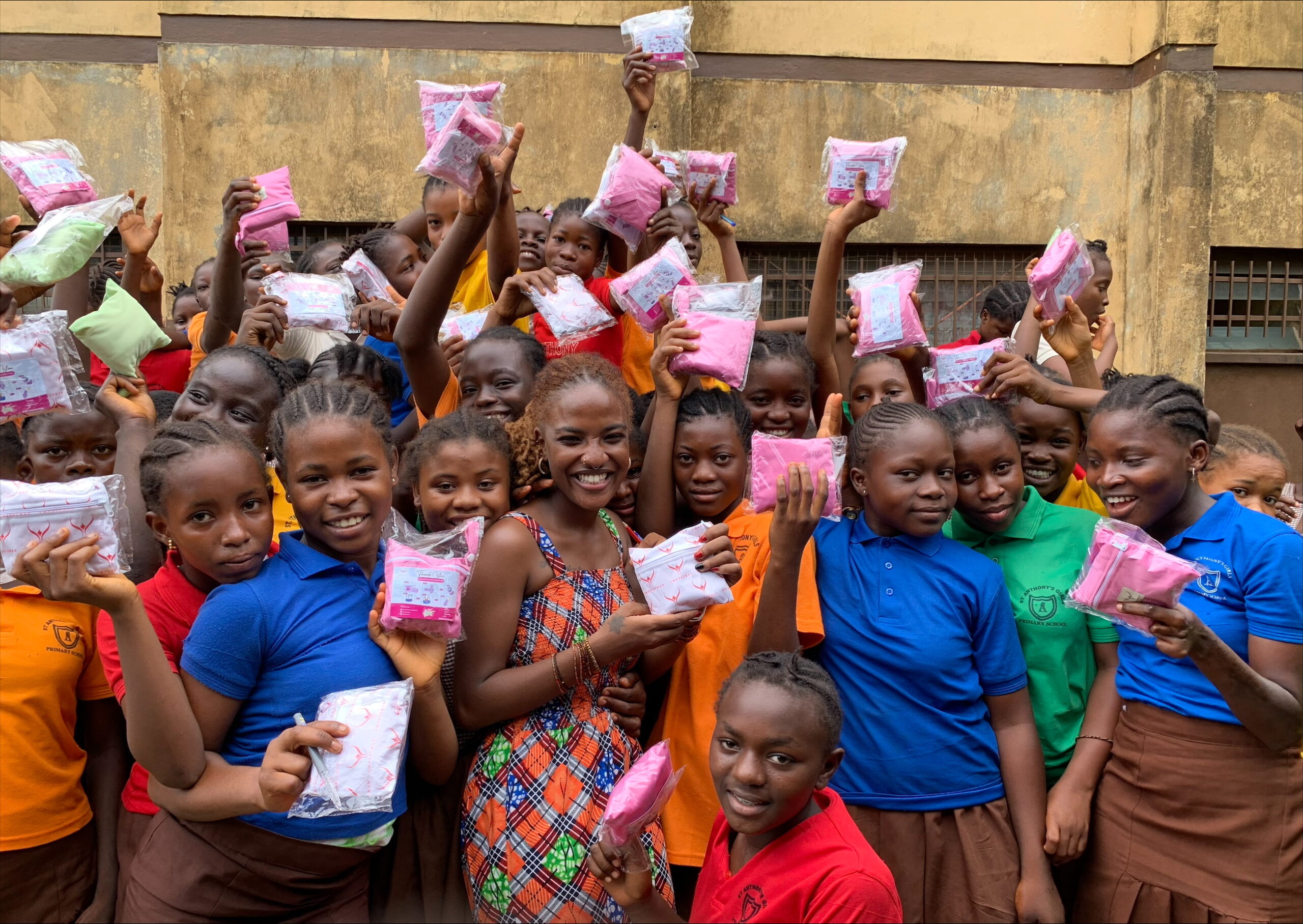
In Sierra Leone, thousands of adolescent girls can miss up to 20% of their school year due to menstruation and a lack of access to sanitary products. Without affordable or safe options, many rely on unhygienic alternatives, putting their health and education at risk.
In 2022, the Ministry of Basic and Senior Secondary Education launched a program to distribute menstrual hygiene kits to schools across the country. The initiative aims to ensure that girls can manage their periods with dignity and stay in school without interruption.
However, menstruation in Sierra Leone remains tied to a larger web of stigma, silence, environmental waste, and inequality. Through education, advocacy, and sustainable menstrual products, three women-led organizations: Girl Up Vine Club Sierra Leone, Lionette, and Uman4Uman, are pushing back against long-standing taboos and reshaping the conversation around menstrual health.
Each of them tackles the menstruation challenges in different but connected ways, showing that it is not just a hygiene issue. It is about dignity, access, and justice for both people and the planet.
For Assiatu Jalloh, an alumna of a girls’ empowerment club called Girl Up Vine Club Sierra Leone, early experiences with menstruation were marked by shame and confusion.
“Growing up, I noticed how taboo it was to talk about periods,” she shares. “Discussing it openly, especially around men and boys, was considered shameful.”
Her first period mishap in school, when she was too embarrassed to ask a man for help, became a turning point. The public humiliation she faced shows just how deeply cultural myths could wound young girls’ confidence.
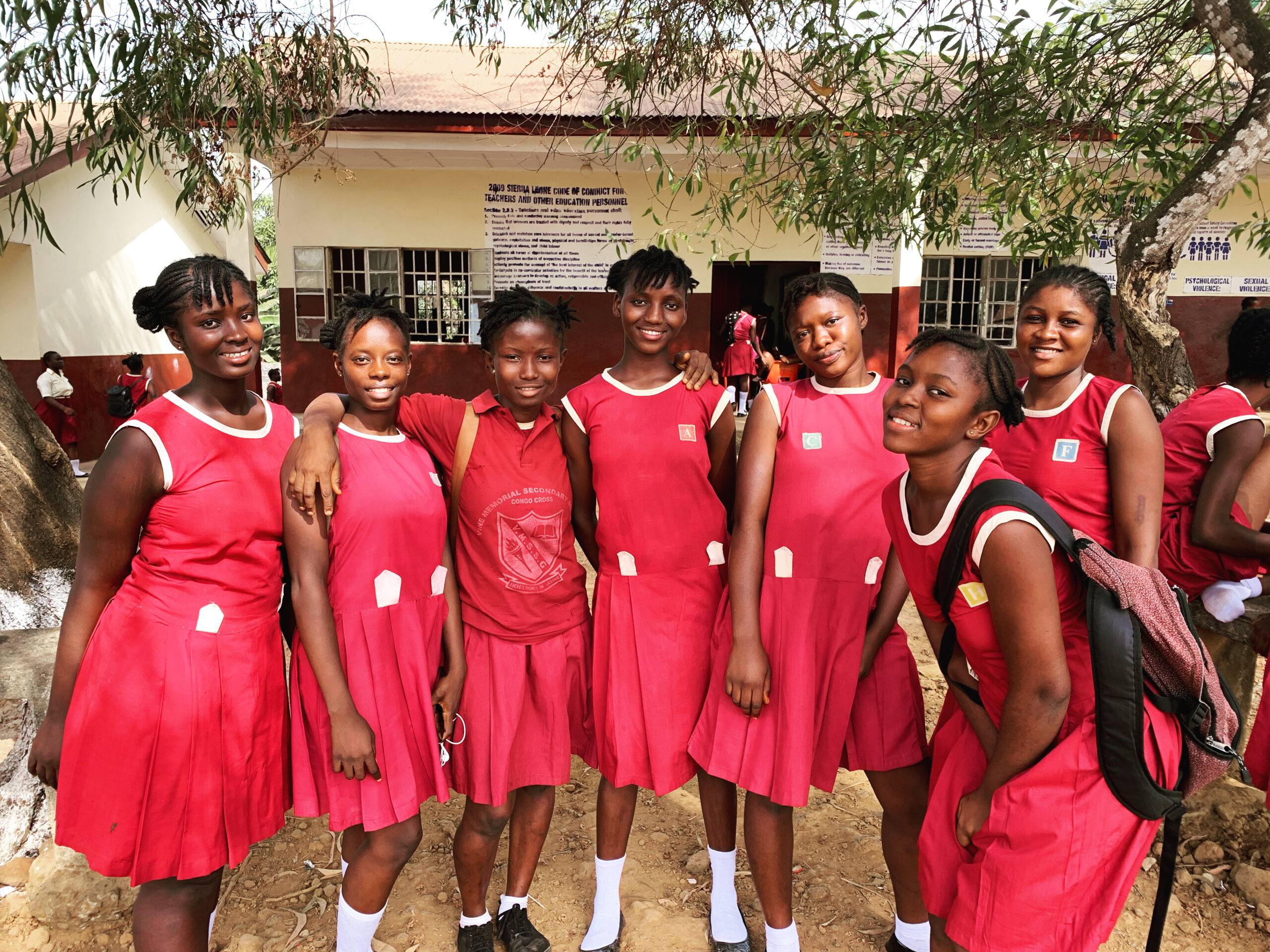
Through Girl Up Vine Club Sierra Leone, Assiatu found a different path. Workshops, open discussions, and community-led initiatives gave her the language and confidence to tackle period stigma head-on.
“Thanks to this experience, I now understand the harmful impact of societal taboos around menstruation,” she says. “And I’m using what I’ve learned to challenge and change misconceptions in my community.”
Assiatu’s story is not unique. Across Sierra Leone, traditional beliefs around menstruation are still pervasive. Some girls are taught that touching a boy during their period will make them pregnant. Others hear that used menstrual products could be stolen for witchcraft.
The issue runs deeper than stigma. Menstrual health is also an environmental challenge. Disposable pads, some containing up to 80% plastic, contribute significantly to Sierra Leone’s mounting waste problem.
Haja Isatu Bah, feminist and environmental researcher, puts it bluntly: “Menstrual hygiene is not a private matter, it’s a public health and climate issue.”
Agnes Mimi Nonie, Founder of Lionette menstrual cups, never set out to be an environmental activist. Her original mission was to address period poverty by providing women with affordable, long-lasting menstrual solutions.
As she researched the realities of menstrual health, she came across the chemicals in tampons, the plastic in pads, and the growing waste problem linked to disposable products. That environmental impact became a powerful extension of the work she was already doing.
“During my research, I learned about the toxic materials and how much waste these products generate,” Mimi says. “That became a welcome bonus to the work I was already doing.”

Lionette’s model emphasizes education as much as access. Every woman who receives a cup goes through a Q&A session covering everything from safe usage to busting myths. A support line and upcoming instructional videos ensure no one is left behind. The cups, small devices made of medical-grade silicone, can last up to ten years, drastically cutting down on both waste and cost.
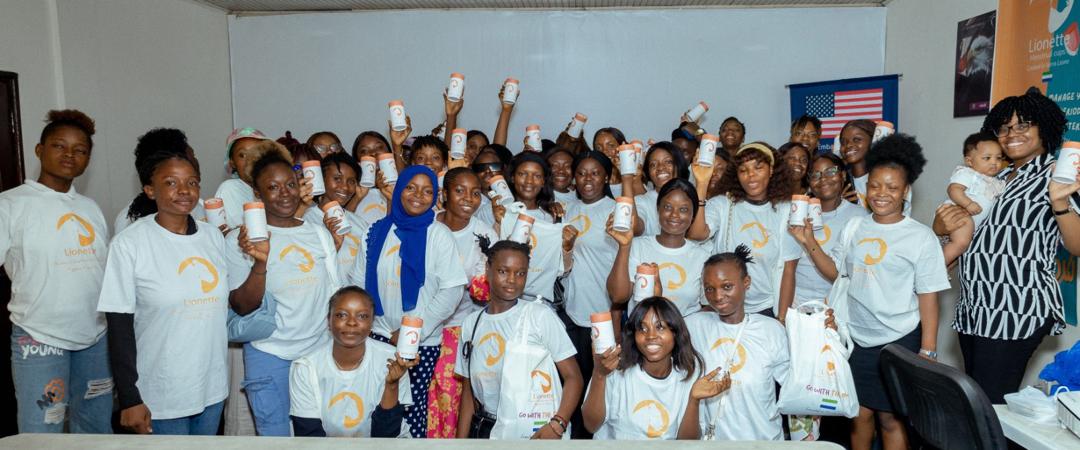
The barriers, however, are real. Cultural fears around virginity, concerns about hygiene, and the high initial cost of menstrual cups are some of the issues Mimi is working to address to successfully scale Lionette. But the personal transformations tell a different story.
“One woman, a full-time athlete, now swears by her cup,” Mimi shares. “Another traveled a long distance just to replace hers after it was lost. These aren’t just product wins, they’re quality of life wins.”
Reusable pads are part of this movement. Haja, who’s also the Founder of Uman4Uman, a social enterprise selling reusable pads, sees menstrual health through a broader lens of dignity and choice.
“You’re still a child at twelve. You can still play ball, still run around, still have fun,” she states.
Her curriculum blends sexual and reproductive health, well-being, and environmental awareness, delivered with sensitivity to the immediate needs of her audience. “You can’t talk about climate change to someone who’s worrying about their next meal. First, you affirm their dignity.”
This framing is crucial. It’s not about charity. It’s about agency.
“Menstruation should be seen as a health and human rights issue, not a charity case,” she insists. “Every girl should understand what’s happening to her body, how to manage it safely, and how it connects to her environment.”
In 2019, the Ministry of Basic and Senior Secondary Education (MBSSE), with support from the United Nations Population Fund (UNFPA) and Irish Aid, began integrating Comprehensive Sexuality Education (CSE) into the national Sierra Leone curriculum. This is to equip students with the knowledge and skills to make informed decisions about their sexual and reproductive health.
In June 2022, MBSSE, in collaboration with UNFPA, validated age-appropriate and culturally relevant CSE teaching materials, marking a significant step towards nationwide implementation. However, the full potential of CSE will only be realized through sustained advocacy and policy support.
Women leaders, including Mimi and Haja, are calling on policymakers to expand CSE implementation to all secondary schools across the country, reaching both urban and rural areas; enhance teacher training to ensure educators deliver CSE effectively and sensitively; and engage parents, religious leaders, and community organizations to foster a supportive environment for students.
When these areas are strengthened, Sierra Leone can create an educational framework that empowers young people, reduces adolescent pregnancies, and promotes gender equality.
On the ground, impact is growing.
Lionette has distributed over 500 menstrual cups in the last year. Uman4Uman has reached more than 7,000 girls and women with reusable pads and education. From 2016-2022, Girl Up Vine Club Sierra Leone trained 200 girls and educated 1,000 boys and girls about menstrual health and stigma. These combined efforts show how access, education, and community engagement can drive lasting change.
As an adolescent girl, Gladis Ansumana from Kono district shares, “I feared menstruation until after-school programs like Girl Up Vine Club Sierra Leone and Girl Guides. I want this for other girls to not live in fear or shame but with dignity.”
Her words capture the urgent need to expand comprehensive sexuality education and menstrual health programs, ensuring every girl in Sierra Leone can manage her period with confidence and respect.
This report was supported by the African Women in Media (AWiM) with support from the Fojo Media Institute.

Recent Comments