
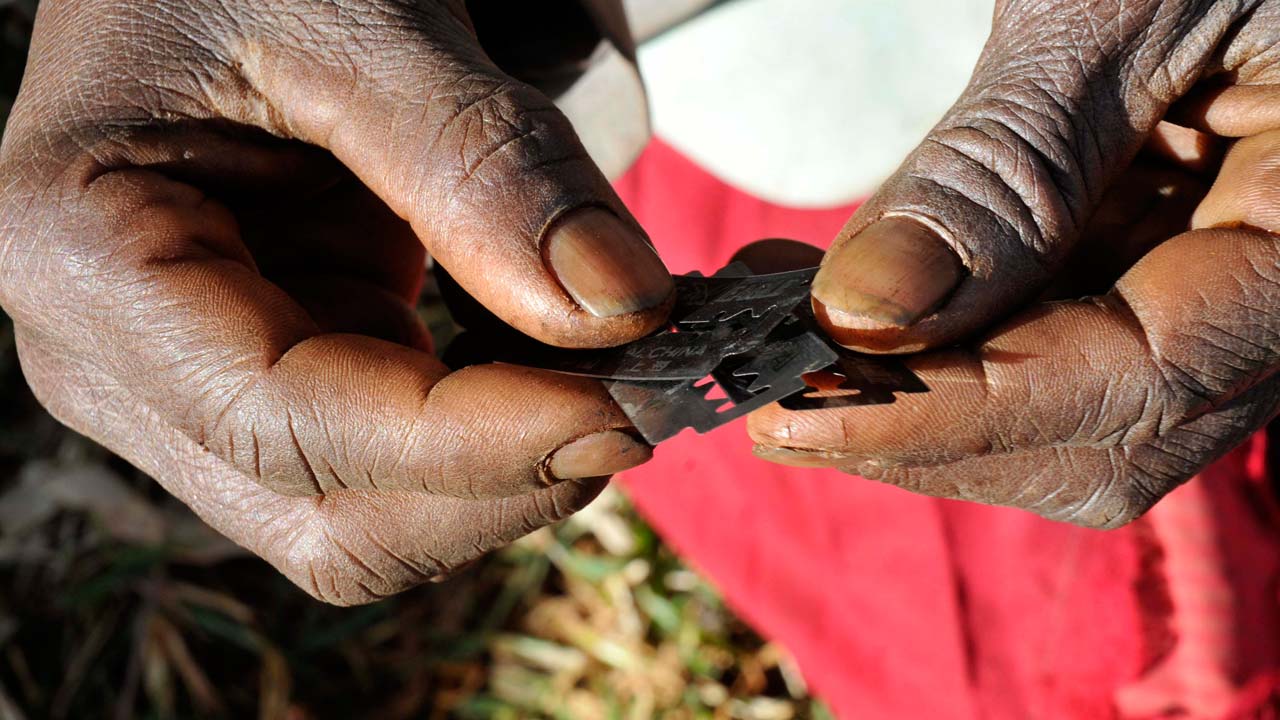
As Africa continues to confront the devastating impact of gender-based violence, recent developments in The Gambia on Female Genital Mutilation have brought renewed attention to the urgent need to safeguard the rights and lives of women and girls.
The country’s Supreme Court is currently considering a constitutional challenge to the 2015 ban on female genital mutilation (FGM) a landmark law that has protected thousands of girls from one of the most harmful forms of gender-based violence. Human rights advocates have warned that any attempt to weaken the legislation would not only endanger girls in The Gambia but could also set a troubling precedent for women’s rights across Africa.
The case extends beyond the borders of The Gambia as the outcome could influence regional conversations on the protection of women’s rights and reinforce or undermine efforts to eliminate harmful practices across the continent. At a time when African governments have committed to protecting women through instruments such as the Maputo Protocol, any rollback of legal protections deserves close public scrutiny.
Across the continent, women and girls continue to face multiple forms of violence, from domestic abuse and sexual violence to harmful traditional practices and, in the most tragic cases, femicide. These acts are connected by a common thread: they are rooted in unequal power relations and the failure of institutions and societies to protect women from violence.
The Protocol to the African Charter on Human and Peoples’ Rights on the Rights of Women in Africa (Maputo Protocol) commits Member States to eliminate discrimination against women, uphold their dignity, protect their right to life and security, and eradicate harmful practices such as female genital mutilation. The Protocol places a responsibility on governments not only to enact laws but to ensure they are implemented effectively and that women and girls are protected from all forms of violence.
Yet legislation alone cannot change culture. The media has an equally important role to play in amplifying these easily unnoticed stories in the political space, this is why the Kigali Declaration on the Elimination of Gender Violence in and through Media is so timely. The Declaration calls on journalists, editors, media owners and communication professionals to report gender-based violence ethically, reject sensationalism, challenge harmful stereotypes, and ensure that survivors and victims are represented with dignity. It recognises that media narratives can either reinforce harmful norms or become powerful tools for prevention, accountability and social change.
When media organisations investigate violence against women, ask difficult questions of institutions, avoid victim-blaming narratives and centre the human rights of women and girls, they contribute to a culture where violence is challenged, and the rights of women are protected. Responsible journalism influences public discourse, strengthens advocacy efforts and encourages policymakers to act which is why the media needs to spotlight this issue in The Gambia, offering support through reportage to NGOs and women groups.
Journalists across Africa must continue to report with courage, accuracy and objectivity. These stories should not disappear after the court ruling or fade once public attention shifts. Sustained reporting is essential to ensuring that governments remain accountable to charters and provisions the country has signed on to, that way communities stay informed, and survivors know they are not alone.
At African Women in Media (AWiM), we reaffirm our commitment to promoting journalism that upholds the dignity, rights and safety of women and girls. We call on media practitioners across the continent to continue shining the light on gender-based violence, amplify the voices of the unheard and report in ways that inspire collective action.
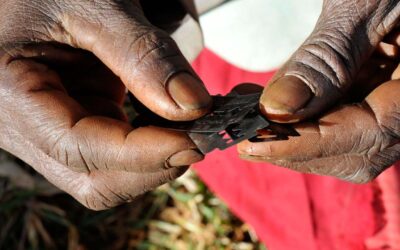
The image used is not owned by African Women in Media (AWiM) and is used solely for editorial purpose. All intellectual property rights remain with the original copyright holder.